Laparoscopic Cancer Surgery in Faridabad and Delhi NCR: Benefits, Procedure, and Recovery Guide
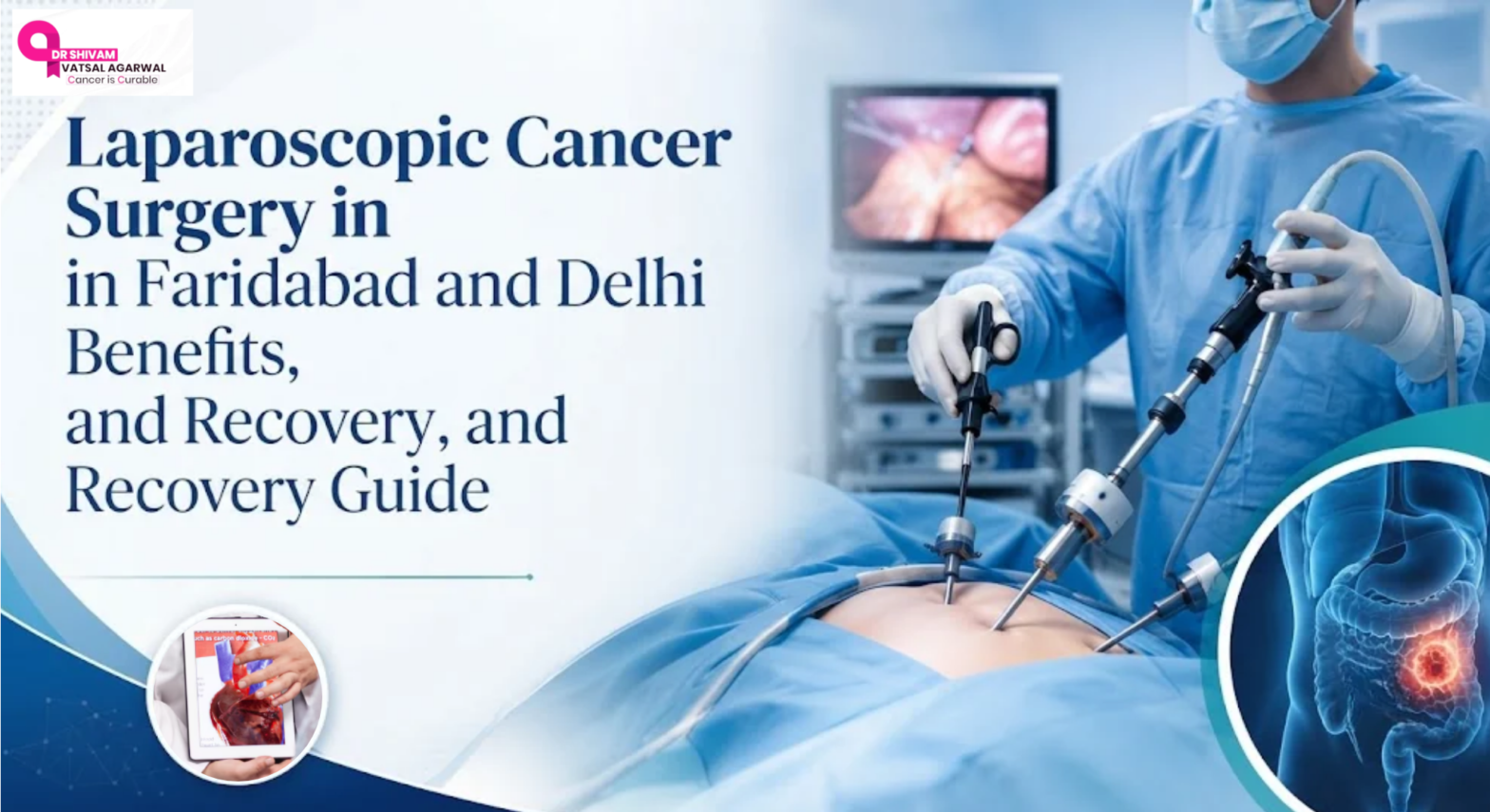
A cancer diagnosis can bring many questions and uncertainties. Whether you are dealing with a new diagnosis yourself or supporting a loved one, understanding the available treatment options can help you make informed decisions. One important consideration for eligible patients is laparoscopic cancer surgery, a minimally invasive surgical approach that uses small incisions, a camera, and specialized instruments.
If you are looking for laparoscopic cancer surgery in Faridabad or Delhi NCR, learning about the procedure, its potential benefits, recovery process, and the importance of choosing an experienced cancer surgery team can help you prepare for the next step in your treatment journey.
At Metro Cancer Institute Hospital in Faridabad, patients can consult Dr. Shivam Vatsal Agarwal to discuss their diagnosis, surgical options, and individual treatment needs.
What Is Laparoscopic Cancer Surgery?
Laparoscopic cancer surgery is a minimally invasive surgical technique used to remove or treat certain cancers. Instead of making one large incision, the surgeon makes several small incisions through which a thin instrument called a laparoscope and specialized surgical tools are inserted.
The laparoscope contains a camera that displays images of the surgical area on a monitor. This allows the surgeon to examine the affected region and perform the planned procedure using specialized instruments.
The approach may help reduce surgical trauma compared with traditional open surgery in appropriately selected patients. However, laparoscopic surgery is not suitable for every cancer or every individual. The decision depends on the cancer’s location, size, stage, involvement of nearby structures, and the patient’s overall health.
Which Cancers Can Be Treated With Laparoscopic Surgery?
Depending on the diagnosis and the surgeon’s assessment, laparoscopic techniques may be considered for selected cases of:
- Colorectal cancer: Certain cancers affecting the colon and rectum.
- Gastric cancer: Selected cancers of the stomach.
- Gynecological cancers: Certain cancers involving the uterus and other reproductive organs.
- Kidney cancer: Selected cancers affecting the kidneys.
- Other abdominal cancers: Some cancers involving abdominal organs where a minimally invasive approach is appropriate.
The primary goal of cancer surgery is not simply to remove a tumour through small incisions. The operation must follow appropriate oncological principles, including complete tumour removal and assessment or removal of nearby lymph nodes when indicated.
Your cancer specialist will determine whether laparoscopic surgery is appropriate for your specific condition.
What Are the Benefits of Laparoscopic Cancer Surgery?
For eligible patients, laparoscopic cancer surgery may offer several advantages over open surgery. The benefits vary depending on the procedure, the patient’s health, and the complexity of the cancer.
1. Smaller Incisions and Scars
Laparoscopic surgery generally involves several small incisions rather than one large incision. This may result in smaller scars and less disruption to the surrounding tissues.
2. Potentially Faster Recovery
Some patients can begin walking and gradually return to their usual activities sooner after minimally invasive surgery. Recovery time depends on the type of operation, the extent of the cancer, and the individual’s overall health.
3. Potentially Less Blood Loss
In certain procedures, laparoscopic surgery may be associated with less blood loss during the operation. The actual difference depends on the surgical technique and the complexity of the case.
4. Shorter Hospital Stay
Some patients may be discharged sooner following laparoscopic surgery than after comparable open procedures. Before discharge, the medical team evaluates pain control, mobility, food intake, wound condition, and other aspects of recovery.
5. Enhanced Surgical Visualization
The laparoscope provides a magnified view of the surgical area on a monitor. This visualization can help the surgeon perform specific surgical steps with precision.
Important: Smaller incisions do not automatically mean better cancer outcomes. The priority is safe, effective cancer treatment. Open surgery may be the more appropriate option in certain cases.
Who Is a Suitable Candidate for Laparoscopic Cancer Surgery?
If you are considering laparoscopic cancer surgery in Faridabad or Delhi NCR, the first step is a consultation with a qualified cancer surgery team.
Your doctor will review your medical history, biopsy findings, imaging results, cancer stage, and general fitness for surgery.
Several factors influence whether laparoscopic surgery is appropriate:
- The type, location, and size of the tumour.
- The extent to which the cancer involves nearby organs or tissues.
- Whether nearby lymph nodes or other parts of the body are affected.
- Any history of previous abdominal surgery.
- Existing medical conditions and fitness for anaesthesia.
- Whether the planned procedure can achieve the required cancer removal safely.
Your specialist may recommend laparoscopic surgery, open surgery, or a combination of treatments depending on the findings.
What Tests May Be Needed Before Surgery?
Before recommending surgery, your medical team may request investigations to confirm the diagnosis and understand the extent of the disease.
These may include:
- Blood tests to assess general health and organ function.
- Ultrasound examinations, CT scans, or MRI scans.
- Endoscopy for cancers involving the digestive tract, when indicated.
- A biopsy to establish the diagnosis.
- Additional investigations based on the suspected cancer and treatment plan.
Not every patient needs every test. Your doctor will select investigations according to your clinical needs.
Depending on the cancer type and stage, treatment may also involve chemotherapy, radiation therapy, immunotherapy, targeted therapy, or a combination of these approaches before or after surgery.
Laparoscopic Cancer Surgery vs. Open Cancer Surgery
Both laparoscopic and open surgery have important roles in cancer treatment. The most suitable option depends on the specific diagnosis, surgical requirements, and expected outcomes.
| Feature | Laparoscopic Surgery | Open Surgery |
| Surgical access | Several small incisions | Usually one larger incision |
| Visualization | Camera and monitor | Direct surgical view |
| Postoperative pain | May be lower in selected cases | May be higher in selected cases |
| Recovery | May be faster for eligible patients | Depends on the operation and individual recovery |
| Hospital stay | May be shorter in selected cases | Depends on the complexity of surgery |
| Suitability | Depends on cancer type, stage, and anatomy | May be preferred for complex or extensive cancers |
The most important question to ask your surgeon is: Which surgical approach offers the safest and most effective treatment for my specific cancer?
Before making a decision, discuss the potential benefits, limitations, risks, and alternatives associated with each option.
What Happens During Laparoscopic Cancer Surgery?
Understanding the surgical process can help reduce uncertainty and prepare you for treatment.
Step 1: Preoperative Assessment
The surgeon reviews your medical history, scans, biopsy results, medications, and overall fitness for surgery. The planned procedure and anaesthesia are explained, and you can discuss any concerns.
Step 2: Anaesthesia and Preparation
The procedure is generally performed under general anaesthesia, meaning you are asleep during the operation. The medical team prepares you for surgery and monitors your vital signs.
Step 3: Small Incisions and Camera Insertion
The surgeon makes small incisions to introduce the laparoscope and specialized surgical instruments. For many abdominal procedures, gas is used to create working space inside the abdomen.
Step 4: Removal of the Tumour
The surgeon performs the planned operation. Depending on the cancer, this may involve removing the tumour, part of an affected organ, and nearby lymph nodes when required.
Step 5: Laboratory Examination
The removed tissue is sent to a pathology laboratory. The report helps establish important details, including whether the surgical margins are clear and whether additional treatment may be necessary.
Step 6: Recovery and Follow-Up
After surgery, the medical team monitors pain, mobility, food intake, wound healing, and other indicators of recovery. Follow-up appointments help guide further treatment and long-term cancer surveillance.
Meet the Expert: Dr. Shivam Vatsal Agarwal
Choosing a cancer surgeon involves more than identifying someone who performs minimally invasive procedures. Patients need clear explanations, an understanding of available treatment options, and guidance on the most appropriate approach for their diagnosis.
Dr. Shivam Vatsal Agarwal is available for consultations at Metro Cancer Institute Hospital in Faridabad.
Patients considering laparoscopic cancer surgery can discuss their diagnosis, suitability for minimally invasive surgery, preoperative preparation, recovery expectations, and potential additional treatments with the medical team.
Before proceeding, consider asking about the surgeon’s training, experience with the specific cancer procedure, experience with laparoscopic techniques, potential complications, and expected outcomes.
A detailed consultation can help you understand the treatment plan and make informed decisions about your care.
Recovery After Laparoscopic Cancer Surgery: What Should You Expect?
Recovery varies from person to person. The timeline depends on the cancer type, extent of surgery, general health, postoperative complications, and whether additional cancer treatment is required.
First 24–48 Hours
The medical team monitors your condition, manages pain, and guides you on beginning to walk and eat when appropriate.
First One to Two Weeks
You may need to focus on wound care, prescribed medications, gradual movement, and follow-up appointments. Follow your surgeon’s instructions regarding bathing, lifting, driving, and returning to work.
Following Weeks
Energy levels and activity tolerance may gradually improve. The speed of recovery depends on the procedure and your individual circumstances.
Pathology Review
Your doctor reviews the laboratory report and explains whether further treatment, such as chemotherapy or another intervention, is recommended.
Long-Term Follow-Up
Regular appointments may be required to monitor recovery, assess treatment response, and check for signs of cancer recurrence.
These are general examples rather than guaranteed recovery timelines. Your medical team will provide advice tailored to your operation.
How Can You Support Your Recovery?
Following your postoperative instructions can help you recover safely.
- Take prescribed medications as directed.
- Walk and gradually increase activity according to your medical team’s advice.
- Follow instructions regarding hydration and nutrition.
- Keep your surgical wounds clean and follow the recommended wound-care routine.
- Avoid heavy lifting and strenuous activity until your surgeon approves.
- Attend all scheduled follow-up appointments.
- Contact your medical team if you develop a fever, worsening pain, repeated vomiting, increasing redness around the incision, or other concerning symptoms.
Seek urgent medical attention for serious symptoms such as difficulty breathing, chest pain, heavy bleeding, or sudden deterioration in your condition.
Frequently Asked Questions About Laparoscopic Cancer Surgery
1. Is laparoscopic cancer surgery safe?
Laparoscopic cancer surgery can be an appropriate and effective option for carefully selected patients. Like any major operation, it carries potential risks, including bleeding, infection, anaesthesia-related complications, and injury to nearby structures. Your surgeon can explain the risks specific to your condition.
2. Is laparoscopic surgery better than open cancer surgery?
Neither approach is universally better. Laparoscopic surgery may offer benefits such as smaller incisions and faster recovery in selected cases. Open surgery may be necessary for certain complex, extensive, or anatomically challenging cancers. The decision should prioritize effective cancer treatment and patient safety.
3. How long does recovery take after laparoscopic cancer surgery?
Recovery may take several weeks or longer, depending on the type and extent of surgery, your overall health, and whether additional treatment is required. Your surgeon can provide a more individualized estimate.
4. Can advanced cancer be treated with surgery?
Surgery may be considered for selected advanced cancers, depending on the cancer type, extent of spread, and treatment goals. Other cases may require systemic treatments, radiation therapy, open surgery, or a combination of approaches. A comprehensive specialist evaluation is essential.
5. How much does laparoscopic cancer surgery cost in Faridabad?
The cost varies according to the cancer type, complexity of surgery, hospital stay, investigations, medications, and any additional treatment. Insurance coverage may also affect your out-of-pocket expenses. Contact the hospital for an estimate based on your diagnosis and proposed treatment plan.
6. Where can I consult a doctor for laparoscopic cancer surgery near Delhi NCR?
You can contact Metro Cancer Institute Hospital in Faridabad to inquire about an appointment with Dr. Shivam Vatsal Agarwal. Bring your biopsy reports, imaging scans, previous prescriptions, and relevant medical records to help the team assess your case.
Book a Consultation for Laparoscopic Cancer Surgery in Faridabad
A cancer diagnosis can raise difficult questions, but you do not have to navigate every treatment decision alone. A specialist consultation can help you understand your diagnosis, explore appropriate surgical options, and plan the next steps in your care.
If you are looking for laparoscopic cancer surgery in Faridabad or Delhi NCR, contact the hospital to discuss your condition and arrange an evaluation.
Consultation Details
Doctor: Dr. Shivam Vatsal Agarwal
Hospital: Metro Cancer Institute Hospital
Address: Ground Floor, Metro Cancer Institute Hospital, Nirman Kunj ADB PWD Colony, Sector 16A, Faridabad, Haryana – 121002
Phone: 099688 56411


