Air Pollution & Lung Cancer Risk: What You Need to Know
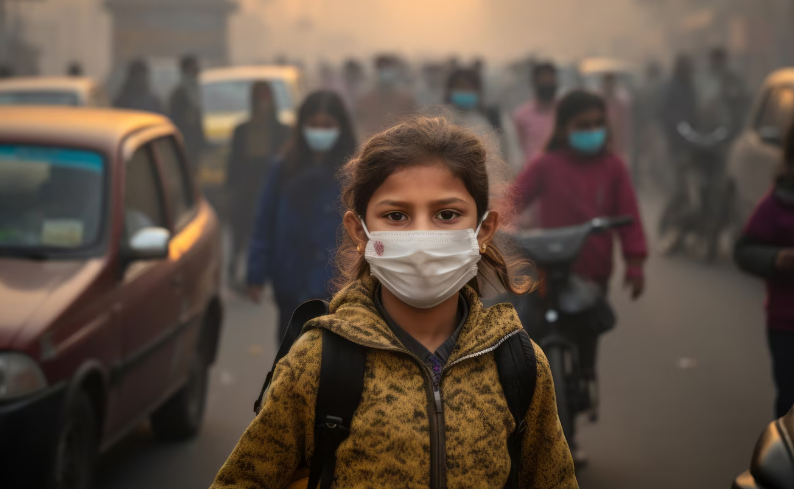
By Dr. Shivam Vatsal
Air pollution has become one of the biggest public-health challenges of our time. What most people don’t realize is that polluted air doesn’t just irritate the throat or trigger asthma — it can significantly increase the risk of lung cancer, even in people who have never smoked.
In this blog, let’s understand how air pollution affects your lungs, why it increases cancer risk, and most importantly — what you can do to protect yourself and your family.
How Air Pollution Damages the Lungs
The air around us contains harmful pollutants, especially in densely populated cities or industrial zones. The most dangerous among them is PM2.5 — tiny particles so small that they can easily enter the lungs and the bloodstream.
These particles cause:
- Chronic inflammation of lung tissue
- Oxidative stress, which damages cells
- DNA mutations, increasing the chance of cancer development
Over time, repeated exposure to polluted air makes the lungs weaker, more inflamed, and more vulnerable to cancerous changes.
Air Pollution & Lung Cancer: What Research Shows
Several large studies from global cancer agencies and public-health bodies have concluded that:
- Long-term exposure to PM2.5 significantly increases lung cancer risk.
- The risk exists even for non-smokers.
- Air pollution is officially classified as a Group-1 Carcinogen, meaning it is known to cause cancer.
In many countries — especially India — lung cancer in non-smokers is rising. A major factor behind this trend is prolonged exposure to polluted air.
Why This Matters for India
Cities like Delhi, Lucknow, Kanpur, Varanasi, and Patna often record some of the highest PM2.5 levels in the world.
This means:
- People breathe toxic air daily
- Children, elderly and those with chronic lung disease are at even higher risk
- Even those who have never touched a cigarette may develop lung cancer due to environmental exposure
Understanding this link can help us take protective steps early.
Symptoms to Watch Out For
If you live in a high-pollution area, be alert for symptoms such as:
- Persistent cough for more than 2–3 weeks
- Chest pain or discomfort
- Shortness of breath
- Repeated respiratory infections
- Fatigue or unexplained weight loss
Early detection dramatically improves outcomes, so do not ignore chronic symptoms.
How to Reduce Your Risk
While we cannot control outdoor pollution completely, we can take steps to reduce exposure:
1. Use masks on high-pollution days
N95 or KN95 masks help filter fine particles.
2. Install air purifiers at home
Especially in bedrooms where you spend 6–8 hours daily.
3. Monitor air quality daily
Apps like AQI India or SAFAR help you plan outdoor activity.
4. Keep indoor spaces well-ventilated
And avoid indoor smoke (incense, candles, biomass).
5. Prioritize regular health checkups
Especially if you have chronic cough, breathing issues, or family history of lung diseases.
Air pollution is often invisible — but its impact on health is very real. As a physician, I strongly advise individuals and families to take lung health seriously and adopt preventive habits. Clean air should not be a luxury; it is a necessity for a healthy life.
Taking steps today can protect you and future generations from life-threatening diseases like lung cancer.


