Are You Listening to Your Gut?
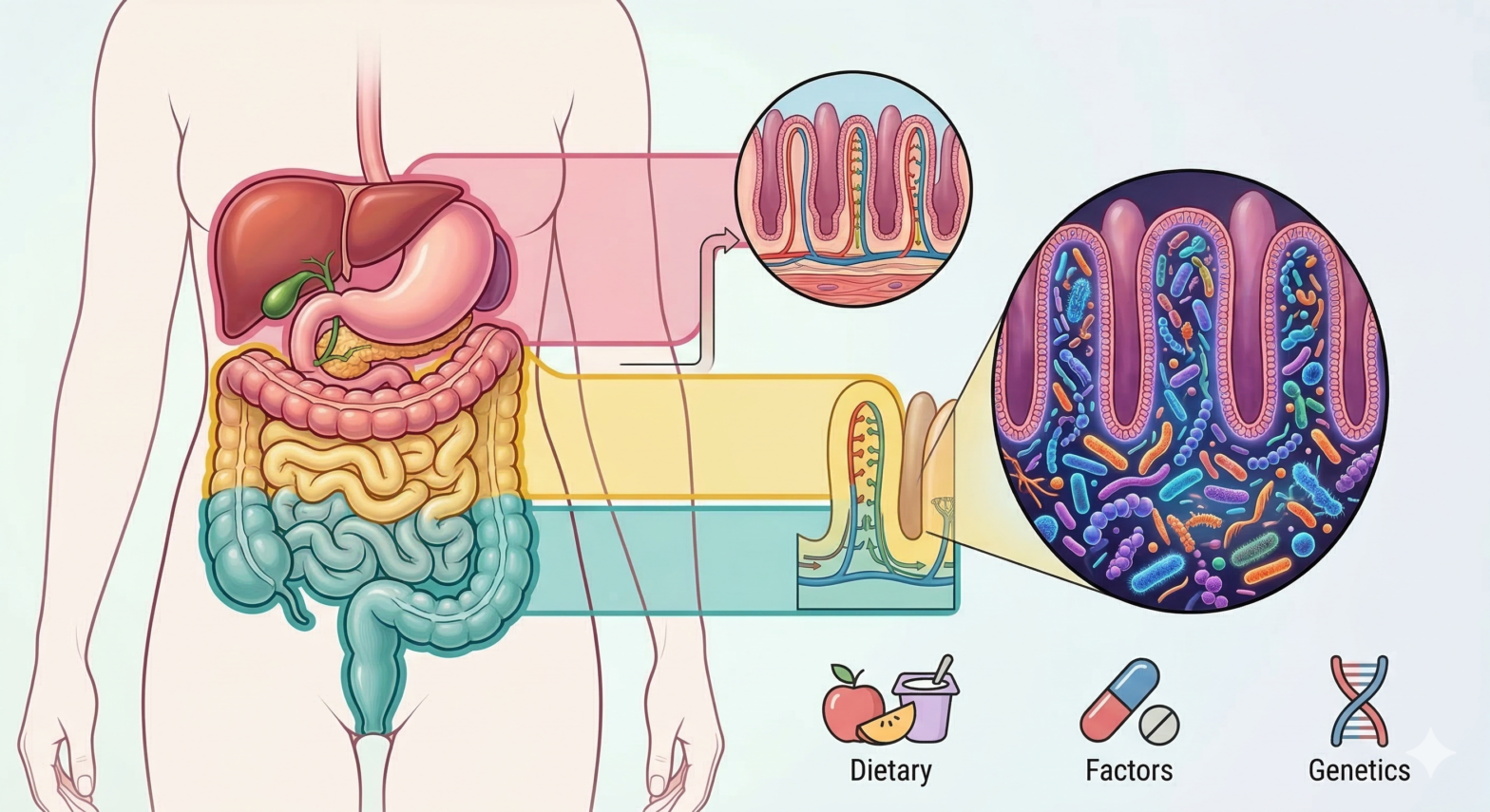
Understanding Stomach Cancer Risk Factors, Symptoms & Prevention
Stomach health is often overlooked—until it starts causing serious problems. One of the most concerning conditions linked to digestive health is Stomach Cancer, a disease that can develop silently over time. The good news? Awareness of risk factors and early symptoms can empower you to take control of your health and potentially prevent serious complications.
What is Stomach Cancer?
Stomach cancer, also known as gastric cancer, occurs when abnormal cells grow uncontrollably in the lining of the stomach. It often develops slowly and may not show noticeable symptoms in its early stages, making regular monitoring and awareness crucial.
Key Risk Factors You Should Know
Understanding the risk factors can help you make informed lifestyle choices:
1. Chronic Acid Reflux & GERD
Persistent acid reflux, commonly known as Gastroesophageal Reflux Disease, can damage the stomach lining over time, increasing cancer risk if left untreated.
2. Infection with H. pylori
Helicobacter pylori infection is one of the leading causes of stomach inflammation and ulcers, which can progress to cancer.
3. Unhealthy Dietary Habits
Frequent consumption of:
- Smoked and processed foods
- High-salt diets
- Low intake of fruits and vegetables
These dietary patterns significantly increase the risk.
4. Tobacco & Alcohol Use
Smoking and excessive alcohol consumption damage the stomach lining and increase cancer risk.
5. Family History
A genetic predisposition or family history of gastric cancer can elevate your risk.
Warning Signs You Should Never Ignore
Stomach cancer symptoms are often subtle but may include:
- Persistent indigestion or acidity
- Unexplained weight loss
- Loss of appetite
- Abdominal pain or discomfort
- Nausea or vomiting
- Difficulty swallowing
If these symptoms persist for more than 2–3 weeks, it’s important to seek medical advice.
Prevention: Small Changes, Big Impact
Making simple lifestyle changes can significantly reduce your risk:
- Eat a balanced diet rich in fresh fruits and vegetables
- Limit smoked, pickled, and processed foods
- Quit smoking and reduce alcohol intake
- Manage chronic acidity and GERD early
- Get tested and treated for H. pylori infection if needed
The Importance of Early Detection
Early-stage stomach cancer is often treatable with better outcomes. Diagnostic tools like endoscopy and imaging scans help detect abnormalities early. Regular check-ups are especially important if you have risk factors.
When Should You See a Specialist?
Consult an oncologist or gastroenterologist if you experience:
- Persistent digestive issues
- Long-term acidity or GERD
- Family history of stomach cancer
- Unexplained weight loss or fatigue
Early consultation can be life-saving.
Frequently Asked Questions (FAQs)
1. Can stomach cancer be prevented?
While not all cases are preventable, lifestyle changes and early treatment of risk factors like GERD and H. pylori can significantly reduce risk.
2. Is acidity a sign of stomach cancer?
Occasional acidity is common, but persistent or severe acidity may require evaluation to rule out serious conditions.
3. How is stomach cancer diagnosed?
It is typically diagnosed through endoscopy, biopsy, and imaging tests like CT scans.
4. Who is at higher risk?
People with chronic GERD, H. pylori infection, unhealthy diets, smoking habits, or a family history are at higher risk.
5. Can young people get stomach cancer?
Yes, although it is more common in older adults, younger individuals can also develop it, especially with risk factors.
Take Charge of Your Health Today
Your gut often gives you early warning signs—don’t ignore them. Listening to your body and making healthier choices today can protect you in the future.
📞 Book a Consultation
If you’re experiencing persistent digestive issues or want a preventive check-up, consult a specialist today.
Dr. Shivam Vatsal Agarwal
Director & Head – Surgical Oncology & Robotic Surgery
👉 Early detection saves lives. Take the first step toward better health today.


