Robotic Cancer Surgery: Benefits, Recovery Time & What to Expect in Faridabad
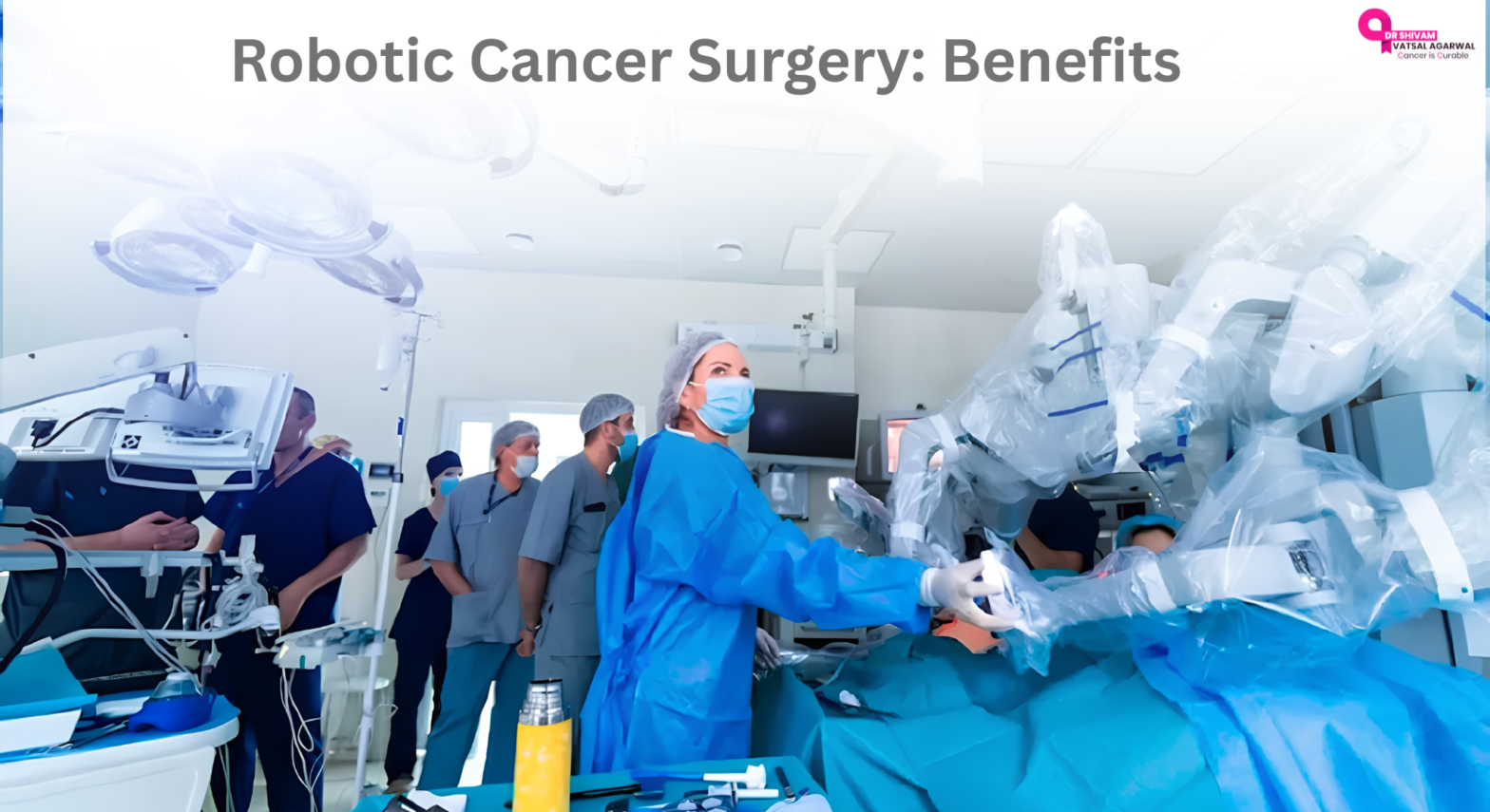
Hearing the words “you need cancer surgery” can feel overwhelming. One of the first questions many patients ask is, “Will it be a big operation? How long will recovery take? Will I be in a lot of pain?”
If you have been searching for answers about Robotic Cancer Surgery in Faridabad, you are not alone. Many people are surprised to learn that modern cancer surgery is no longer always associated with large cuts, long hospital stays, and weeks of difficult recovery.
At Metro Cancer Institute Hospital, Faridabad, robotic-assisted surgery is helping many patients return to normal life faster while maintaining the same goal that matters most: effective cancer removal with maximum safety and precision.
What Is Robotic Cancer Surgery?
Despite the name, a robot does not perform the surgery on its own.
Think of it as an advanced surgical tool that is completely controlled by a highly trained cancer surgeon. The surgeon sits at a console and guides tiny robotic instruments that can move with extraordinary precision.
In simple terms
- Traditional surgery: One larger incision
- Laparoscopic surgery: Small incisions with straight instruments
- Robotic surgery: Small incisions with wristed instruments and a 3D magnified view
This technology is commonly used for several cancers, including:
- Prostate cancer
- Colon and rectal cancer
- Stomach cancer
- Kidney cancer
- Gynecologic cancers
- Selected head, neck, and thoracic cancers
Why Are More Cancer Patients Choosing Robotic Surgery?
The biggest advantage is precision.
Imagine trying to repair a watch while looking through a magnifying glass instead of with the naked eye. Robotic systems provide a high-definition 3D view that is magnified many times, allowing the surgeon to see delicate nerves, blood vessels, and tissues more clearly.
What this often means for patients
- Smaller cuts (usually 5–12 mm incisions instead of one large incision)
- Less blood loss
- Less pain after surgery
- Shorter hospital stay
- Faster return to daily activities
A very important point: Robotic surgery is not automatically better for every patient or every cancer. The right approach depends on the cancer type, stage, body structure, previous surgeries, and overall health.
How Does Robotic Surgery Help in Cancer Treatment?
Cancer surgery is not just about removing a visible lump. The surgeon must often remove the tumor with a margin of healthy tissue and, in many cases, remove nearby lymph nodes for accurate staging.
The robot may help by
- Allowing more precise dissection in tight spaces such as the pelvis
- Helping preserve important structures like nerves and blood vessels when appropriate
- Improving visualization during complex procedures
For example, in rectal cancer, the pelvis is a narrow space. The robotic instruments can bend and rotate much more freely than standard laparoscopic tools, which may make certain parts of the operation technically easier for the surgeon.
What Happens Before the Surgery?
Most patients expect the operation itself to be the biggest event, but the preparation phase is equally important.
Your pre-surgery journey usually includes
- Detailed consultation with the surgical oncologist
- Review of CT, MRI, PET-CT, or other scans
- Blood tests and anesthesia assessment
- Discussion of risks, benefits, and alternatives
- Instructions about medicines, food, and smoking/alcohol
Ask these questions during your consultation
- Am I a good candidate for robotic surgery?
- What are the chances of converting to open surgery?
- How many similar robotic procedures has the surgeon performed?
- What will my recovery realistically look like?
What Should You Expect on the Day of Surgery?
Knowing the sequence often reduces anxiety.
- You arrive at the hospital and meet the surgical and anesthesia team.
- You receive general anesthesia and will be asleep during the procedure.
- Small incisions are made for the camera and instruments.
- The robotic system is connected to the instruments.
- The surgeon performs the operation from the console.
- After surgery, you are shifted to the recovery area for monitoring.
Many patients are surprised to see several tiny dressings rather than one long incision.
Recovery Time: The Question Everyone Asks
Recovery varies by procedure, but here is a practical guide.
| Activity | Typical Time |
| Walking with assistance | Same day or next day |
| Drinking liquids | Within 24 hours |
| Light meals | 1–2 days |
| Going home | 2–5 days (many cases) |
| Light daily activities | 1–2 weeks |
| Office-type work | 2–4 weeks |
| Heavy lifting/exercise | 4–6 weeks or as advised |
A realistic expectation
You may feel more tired than painful during the first week. Cancer surgery affects the whole body, and fatigue is a normal part of healing.
Is Robotic Surgery Less Painful?
Yes, robotic surgery is usually less painful than traditional open surgery for many patients.
Because the incisions are smaller, there is generally less trauma to muscles and tissues. Most patients still need pain medication, but often for a shorter duration.
A common patient comment is:
“I expected severe pain, but it felt more like soreness and tightness around the small cuts.”
Are There Any Risks?
Every surgery has risks, and robotic surgery is no exception.
Possible risks include
- Bleeding
- Infection
- Injury to nearby organs
- Blood clots
- Anesthesia-related complications
- Need to convert to open surgery if safety requires it
The decision to use a robotic approach is made only when the surgeon believes it is safe and appropriate for your specific situation.
Meet the Expert: Dr. Shivam Vatsal Agarwal
Dr. Shivam Vatsal Agarwal is the Director & Head – Surgical Oncology & Robotic Surgery at Metro Cancer Institute Hospital, Faridabad.
He specializes in advanced cancer surgery, including robotic and minimally invasive procedures. His philosophy is simple: cancer treatment should be precise, evidence-based, and deeply compassionate.
Patients often appreciate that he takes time to explain complex medical information in simple language and helps families make informed decisions without unnecessary fear.
Patient Voices
Rakesh S., 58 “I underwent robotic surgery for colon cancer. I was walking the next day and went home much earlier than I expected. Dr. Shivam explained every step so clearly that my fear reduced a lot.”
Neha M., 46 “The small scars were a pleasant surprise. More importantly, I felt genuinely cared for. The hospital team kept checking on me and guided me through recovery.”
Suresh K., 67 “I had prostate cancer surgery and was worried about a long recovery. Within a couple of weeks I was doing most of my normal activities. The experience was far better than I had imagined.”
Your Treatment Journey at a Glance
| Step | What Happens |
| Consultation | Symptoms, examination, scans, and planning |
| Pre-op assessment | Fitness check and anesthesia review |
| Surgery | Robotic-assisted cancer operation |
| Early recovery | Pain control, walking, and diet |
| Pathology review | Discussion of reports and next treatment |
| Follow-up | Recovery guidance and surveillance |
How to Recover Faster After Robotic Cancer Surgery
You cannot force healing, but you can support it.
Focus on these five things
- Walk a little, several times a day
- Eat enough protein (dal, eggs, milk, curd, fish, chicken, etc.)
- Drink adequate fluids
- Do not ignore fever, redness, or increasing pain
- Keep follow-up appointments
Quick Answers
What is robotic cancer surgery? It is a minimally invasive cancer surgery performed by a surgeon using robotic-assisted instruments and a 3D camera.
Is robotic surgery safe for cancer? Yes, when performed by an experienced surgical oncologist in appropriately selected patients.
How long is recovery after robotic cancer surgery? Many patients resume light activities within 1–2 weeks, though full recovery may take several weeks.
Will I have a large scar? Usually no; most robotic procedures use several very small incisions.
Can every cancer be treated with robotic surgery? No; suitability depends on the cancer type, stage, location, and the patient’s overall health.
Frequently Asked Questions
Is robotic cancer surgery better than open surgery?
Robotic surgery can offer faster recovery and smaller scars for many patients, but it is not automatically better for everyone. The best approach depends on the type and stage of cancer, your body structure, and the surgeon’s assessment.
How many days will I stay in the hospital after robotic surgery?
Many patients stay between 2 and 5 days, depending on the procedure. Some complex cancer operations may require a longer stay for monitoring and recovery.
Will I be completely pain-free after robotic surgery?
No, but the pain is usually less than with traditional open surgery. Most patients describe it as soreness or discomfort around the small incisions rather than severe pain.
Can robotic surgery remove the cancer completely?
The goal of robotic surgery is complete cancer removal with safe margins, just like open surgery. The success depends on the cancer stage, location, and overall treatment plan.
What if the surgeon has to switch to open surgery?
Sometimes switching to open surgery is the safest decision during the operation. This is not considered a failure; it is done to protect the patient and achieve the best surgical outcome.
How soon can I return to work after robotic cancer surgery?
Many people with desk jobs return within 2–4 weeks, while physically demanding work may take 4–6 weeks or longer. Your surgeon will guide you based on your recovery.
Thinking About Robotic Cancer Surgery in Faridabad?
If you or a loved one has been advised cancer surgery, the most important step is getting a clear, personalized opinion from an experienced surgical oncologist.
Visit Us
Metro Cancer Institute Hospital Ground Floor, Metro Cancer Institute Hospital, Nirman Kunj, ADB PWD Colony, Sector 16A, Faridabad, Haryana 121002
Dr. Shivam Vatsal Agarwal Director & Head – Surgical Oncology & Robotic Surgery
Phone: 099688 56411


