Advanced Gallbladder Cancer Treatment in Faridabad and Delhi: Symptoms, Diagnosis, Treatment Options and Expert Surgical Care
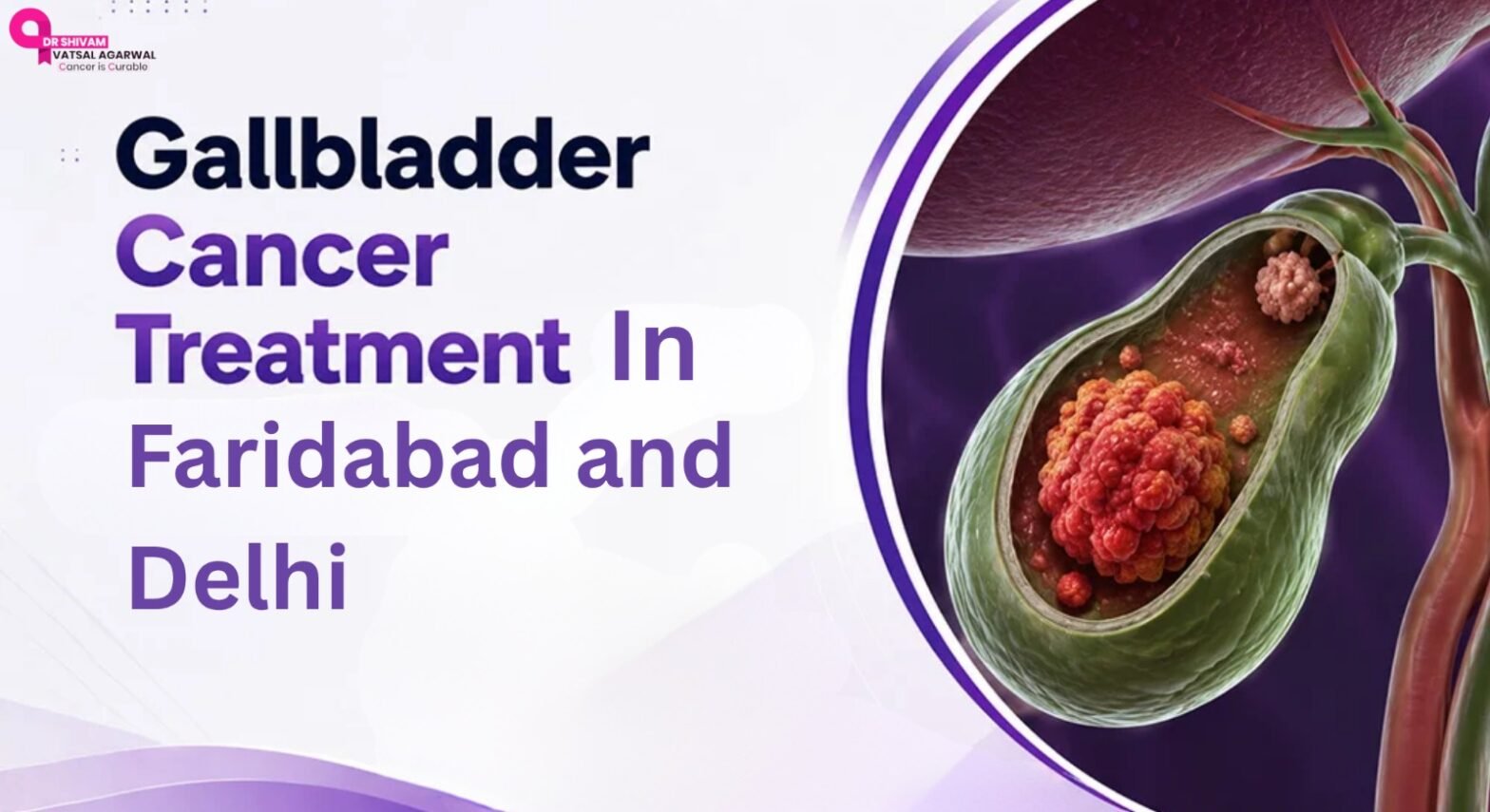
Gallbladder cancer is a rare type of cancer that can be difficult to identify in its early stages. Some people may not have noticeable symptoms at first, while others may experience problems that seem similar to common gallbladder or digestive conditions.
For people looking for gallbladder cancer treatment in Faridabad and Delhi, understanding the symptoms, diagnosis, treatment options and importance of specialist care can make the treatment journey easier to understand.
What Is Gallbladder Cancer?
The gallbladder is a small, pear-shaped organ located below the liver. It stores and releases bile, a digestive fluid that helps the body break down fats.
Gallbladder cancer develops when abnormal cells in the gallbladder begin to grow uncontrollably. Because early gallbladder cancer may not cause clear symptoms, it can sometimes be discovered unexpectedly after surgery performed for another gallbladder problem.
Early evaluation and accurate diagnosis are important because treatment depends greatly on how far the cancer has developed.
What Are the Symptoms of Gallbladder Cancer?
Gallbladder cancer symptoms can vary from one person to another. Possible signs include:
- Pain in the upper right or upper middle part of the abdomen
- Yellowing of the skin or eyes, known as jaundice
- Unexplained weight loss
- Loss of appetite
- Nausea or vomiting
- Fever
- Abdominal swelling or discomfort
- Dark-coloured urine
- Pale stools
- Digestive problems
These symptoms do not necessarily mean that a person has gallbladder cancer. Gallstones, infections, liver problems and other digestive conditions can cause similar symptoms.
However, persistent, unusual or worsening symptoms should be evaluated by a doctor.
How Is Gallbladder Cancer Diagnosed?
When gallbladder cancer is suspected, the doctor may recommend several tests to understand the condition and determine whether the cancer has spread.
The diagnostic approach may include:
Blood Tests
Liver function tests and other blood tests can provide information about liver and bile duct function. They may also help doctors assess a person’s overall health during the diagnostic process.
Ultrasound
An abdominal ultrasound can provide images of the gallbladder and may help identify abnormalities such as gallstones, gallbladder wall thickening or a mass.
CT Scan
A CT scan provides detailed images of the abdomen. It can help doctors evaluate the gallbladder, liver, lymph nodes and surrounding tissues.
MRI and Other Imaging Tests
MRI or specialised imaging may be recommended when doctors need more detailed information about the tumour, liver or bile ducts.
Biopsy and Pathology
In selected cases, tissue may be examined under a microscope to confirm the diagnosis. Sometimes gallbladder cancer is discovered after the gallbladder has already been removed for another condition. The removed tissue can then be examined by a pathology specialist.
The combination of tests depends on the person’s symptoms, imaging findings, general health and suspected stage of the disease.
Why Is Staging Important in Gallbladder Cancer?
Once gallbladder cancer has been diagnosed, doctors need to determine how far it has progressed. This process is called staging.
Staging helps doctors understand:
- How deeply the cancer has grown into the gallbladder wall
- Whether nearby lymph nodes are affected
- Whether the cancer has reached the liver or surrounding organs
- Whether the tumour can potentially be removed completely
- Whether the cancer has spread to distant parts of the body
Treatment decisions are based not only on the diagnosis but also on the stage, location and extent of the cancer.
What Are the Treatment Options for Gallbladder Cancer?
There is no single treatment that is suitable for every patient. Treatment depends on factors such as the stage of cancer, tumour location, whether it has spread, the person’s general health and whether complete surgical removal is possible.
1. Surgery for Gallbladder Cancer
Surgery may be an important part of treatment when the cancer is localised or can potentially be removed.
Depending on the tumour’s size and location, surgery may involve removing the gallbladder along with a margin of surrounding tissue. In some situations, part of the liver and nearby lymph nodes may also need to be removed.
For selected patients with more advanced but potentially removable disease, a more extensive operation may be considered after detailed imaging and multidisciplinary assessment.
The main aim of potentially curative surgery is to remove all visible cancer while maintaining an appropriate safety margin and preserving as much healthy tissue as possible.
2. Chemotherapy
Chemotherapy uses medicines that travel through the bloodstream to target cancer cells.
Depending on the situation, chemotherapy may be used before surgery, after surgery or as the main treatment when surgery is not possible.
For advanced gallbladder cancer, systemic treatment may help slow the disease, control symptoms and improve quality of life. The specific medicines or combinations depend on the patient’s condition and treatment plan.
3. Radiation Therapy
Radiation therapy uses high-energy radiation to target cancer cells.
It may be considered in selected situations, such as cancer involving a particular area after surgery or for controlling certain symptoms in advanced disease.
The decision to use radiation depends on the location and extent of the tumour, previous treatment and the person’s overall health.
4. Immunotherapy and Targeted Treatments
Advances in cancer treatment have created additional options for some people with advanced gallbladder and biliary tract cancers.
Testing the tumour for specific molecular or biological features may help identify patients who could benefit from immunotherapy or certain targeted treatments.
These treatments are not suitable for everyone. Treatment decisions should be based on pathology results, tumour characteristics, cancer stage and advice from the treating cancer team.
Can Advanced Gallbladder Cancer Be Treated With Surgery?
This is an important question for many patients.
The answer depends on what is meant by advanced gallbladder cancer.
A tumour that has grown into nearby tissues may still be removable in selected patients. However, if the cancer has spread to distant organs or cannot be completely removed safely, surgery may not be able to cure the disease.
This is why detailed imaging and careful treatment planning are important before deciding whether surgery is appropriate.
For selected patients with locally advanced but potentially removable disease, an experienced cancer surgery team may evaluate whether an extensive operation can safely achieve complete tumour removal.
What Happens When Gallbladder Cancer Has Spread?
When gallbladder cancer has spread to distant areas or cannot be completely removed through surgery, treatment generally focuses on controlling the cancer, managing symptoms and maintaining quality of life.
Treatment may include:
- Medicines that work throughout the body
- Chemotherapy
- Immunotherapy or other appropriate systemic treatments
- Radiation therapy in selected situations
- Procedures to relieve bile duct blockage
- Supportive and symptom-focused care
If a tumour blocks the bile ducts, procedures such as bile drainage or placement of a stent may sometimes be needed to improve bile flow and relieve related problems.
Why Should You See a Gallbladder Cancer Specialist?
Gallbladder cancer can involve the liver, bile ducts, lymph nodes and other nearby structures. Because of this, treatment may require input from different specialists, including cancer surgeons, medical oncologists, radiologists, pathologists and other healthcare professionals.
A specialist can help answer important questions such as:
- What stage is cancer?
- Can the cancer be removed with surgery?
- Is surgery appropriate in this case?
- Is chemotherapy required?
- Could radiation therapy help?
- Would tumour or molecular testing be useful?
- What should be the order of treatments?
- What are the goals of treatment?
A personalised treatment plan is especially important when dealing with gallbladder cancer.
Gallbladder Cancer Treatment in Faridabad and Delhi
People searching for gallbladder cancer treatment in Faridabad and Delhi can benefit from consulting a cancer specialist who can review the diagnosis, imaging reports, pathology results and overall health before recommending a treatment approach.
Dr. Shivam Vatsal Agarwal provides cancer surgery care at Metro Cancer Institute Hospital, Sector 16A, Faridabad.
Patients can discuss their diagnosis, staging, surgical options and other possible treatment approaches with the cancer care team based on their individual condition.
Frequently Asked Questions
Is Gallbladder Cancer Curable?
Gallbladder cancer may be curable when it is detected at an earlier stage and can be completely removed with surgery. When the cancer has spread extensively, treatment may instead focus on controlling the disease and managing symptoms.
Is Surgery Always Needed for Gallbladder Cancer?
No. Surgery is not appropriate for every patient. The decision depends on the cancer stage, location, spread, overall health and whether the tumour can be removed safely and completely.
Can Gallbladder Cancer Spread to the Liver?
Yes. Gallbladder cancer can directly involve the liver because the gallbladder is located next to it. It can also spread through lymphatic or blood vessels. This is one reason why accurate staging is important before treatment begins.
What Treatment Is Used for Stage 4 Gallbladder Cancer?
Stage 4 gallbladder cancer generally requires systemic treatment rather than surgery intended to cure the disease. Depending on the person’s health and the biological features of the cancer, treatment may include chemotherapy, immunotherapy, targeted treatment where appropriate, radiation therapy or procedures to relieve bile duct obstruction.
When Should I See a Gallbladder Cancer Specialist?
If gallbladder cancer has been diagnosed or is suspected, it is advisable to consult a specialist as early as possible. Reviewing scans, pathology reports and previous medical records can help determine the next appropriate step.
Takeaway
A diagnosis of gallbladder cancer can be difficult and may raise many questions about the future. Understanding the disease, available treatment options and the importance of specialist evaluation can help patients and families make informed decisions.
Treatment may involve surgery, chemotherapy, radiation therapy, immunotherapy, targeted treatment or a combination of different approaches.
The right treatment depends on the stage of gallbladder cancer, whether the tumour can be completely removed, the person’s overall health and the biological characteristics of the cancer.
For people looking for gallbladder cancer treatment in Faridabad and Delhi, consulting an experienced cancer surgeon can help clarify the diagnosis, understand the available options and develop a treatment plan suited to the individual’s condition.
Doctor and Hospital Address
Dr. Shivam Vatsal Agarwal
Ground Floor, Metro Cancer Institute Hospital
Nirman Kunj, ADB PWD Colony, Sector 16A
Faridabad, Haryana 121002
Phone: 099688 56411


