Fighting Cancer with the Right Diet 🥗✨
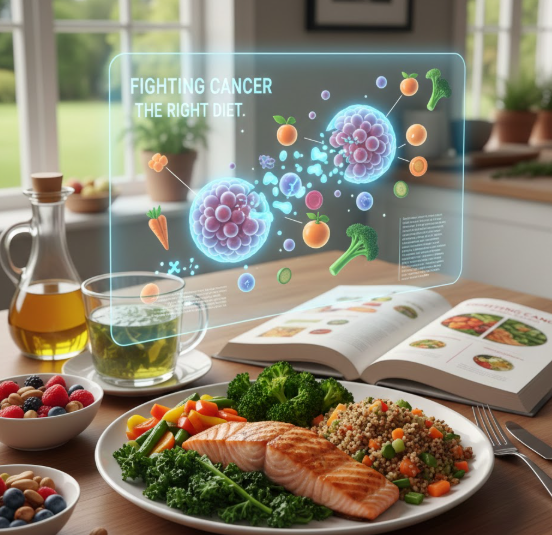
Cancer treatment is a journey that challenges the body both physically and emotionally. Along with medical treatment, nutrition plays a crucial role in supporting recovery, maintaining strength, and improving overall quality of life. A well-planned diet can help patients tolerate treatment better, boost immunity, and promote healing.
Dr. Shivam Vatsal Agarwal, Director & Head of Surgical Oncology & Robotic Surgery, shares essential dietary guidelines that can help cancer patients stay stronger during treatment.
Why Diet Matters During Cancer Treatment
Cancer and its treatments—such as surgery, chemotherapy, radiation, or targeted therapy—can affect appetite, digestion, and nutrient absorption. The right diet helps to:
- Maintain body weight and muscle mass
- Support immune function
- Reduce treatment-related side effects
- Improve energy levels
- Enhance recovery and overall wellbeing
Key Dietary Principles for Cancer Patients
1. Eat a Balanced Diet
A cancer-friendly diet should include the right balance of:
- Carbohydrates – for energy
- Proteins – for tissue repair and immunity
- Healthy fats – in moderation for essential body functions
Avoid extreme diets unless specifically advised by your oncologist or dietitian.
2. Choose the Right Carbohydrates
Not all carbs are the same. Focus on complex carbohydrates that have:
- Low glycemic index
- High fiber content
Best choices include:
- Whole grains
- Millets
- Oats
- Brown rice
- Legumes and beans
These help maintain stable blood sugar levels and support gut health.
3. Prioritize Protein Intake
Protein is especially important during cancer treatment as it helps:
- Repair damaged tissues
- Maintain muscle strength
- Support immunity
Good protein sources include:
- Pulses and lentils
- Eggs
- Paneer and curd
- Fish and lean meats (if non-vegetarian)
- Nuts and seeds
Try to include a protein source in every meal.
4. Limit Unhealthy Fats
While fats are necessary, excessive intake—especially of saturated and trans fats—should be avoided.
Tips:
- Reduce fried and processed foods
- Use small amounts of healthy oils
- Prefer cooking methods like steaming, boiling, or grilling
5. Eat Colorful Fruits and Vegetables
Fruits and vegetables are rich in antioxidants, vitamins, and minerals that help strengthen the immune system.
Aim for a variety of colors, such as:
- Green leafy vegetables
- Red and orange fruits
- Yellow vegetables
- Berries and citrus fruits
These nutrients help the body fight inflammation and oxidative stress.
6. Stay Well Hydrated
Proper hydration is essential, especially during treatment.
Healthy fluid options include:
- Plain water
- Fresh homemade juices
- Coconut water
- Clear soups
Avoid sugary drinks and packaged beverages.
7. Eat Freshly Prepared Food
Cancer patients should always prefer:
- Freshly cooked meals
- Warm food
Avoid:
- Leftovers
- Refrigerated or reheated meals
Fresh food reduces the risk of infections and ensures better nutrient quality.
8. Wash Fruits and Vegetables Thoroughly
To minimize exposure to harmful chemicals:
- Wash all fruits and vegetables thoroughly
- Soak produce in clean water if needed
- Peel fruits when appropriate
This helps remove pesticides, fertilizers, and surface contaminants.
Final Thoughts
There is no single “one-size-fits-all” cancer diet. Nutritional needs may vary depending on the type of cancer, treatment plan, and individual health condition. Always consult your oncologist or a qualified nutritionist before making major dietary changes.
A thoughtful, balanced, and hygienic diet—combined with expert medical care—can make a meaningful difference in the cancer treatment journey.
For more expert guidance on cancer care, prevention, and recovery, stay connected with Dr. Shivam Vatsal Agarwal and follow trusted, evidence-based health advice.


