Is Breast Cancer ONLY Genetic? The Truth You Need to Know
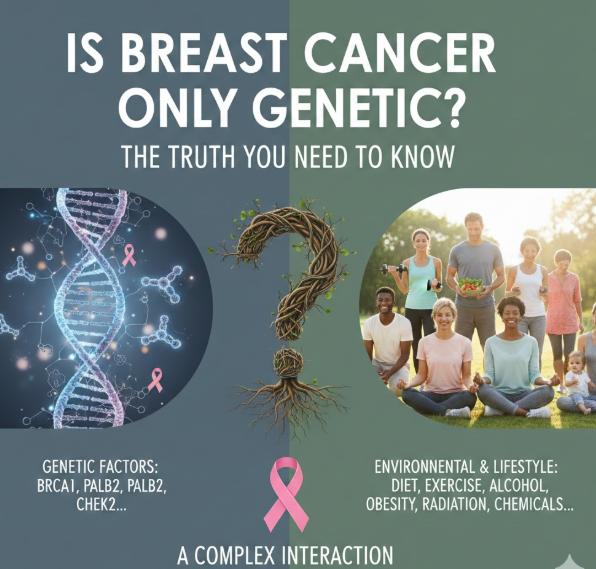
Breast cancer is often surrounded by myths, and one of the most common questions patients ask is:
“Is breast cancer only genetic?”
The simple answer is NO.
While genetics play a role in some cases, most breast cancers are not inherited. Understanding this distinction is crucial for early detection, prevention, and peace of mind.
Dr. Shivam Vatsal Agarwal, Director & Head of Surgical Oncology & Robotic Surgery, explains the real causes of breast cancer and why everyone—not just those with a family history—should stay vigilant.
Understanding Genetic Breast Cancer
Genetic breast cancer occurs when a person inherits a faulty gene that increases their cancer risk. The most well-known genes are:
- BRCA1
- BRCA2
Women (and men) carrying these mutations have a higher lifetime risk of developing breast and ovarian cancer.
Key Facts About Genetic Breast Cancer:
- Only 5–10% of all breast cancers are hereditary
- Passed from parent to child
- Often diagnosed at a younger age
- May involve multiple family members with breast or ovarian cancer
Having a genetic mutation increases risk, but it does not guarantee cancer.
Then What Causes the Other 90% of Breast Cancer?
The majority of breast cancer cases are sporadic, meaning they occur due to a combination of lifestyle, hormonal, and environmental factors.
Common Non-Genetic Risk Factors:
- Increasing age
- Hormonal changes
- Obesity and sedentary lifestyle
- Alcohol consumption
- Smoking
- Late menopause or early menstruation
- Prolonged hormone replacement therapy
- Lack of breastfeeding
- Exposure to radiation
These factors can cause DNA changes over time, leading to cancer even in individuals without any family history.
Can Men Get Breast Cancer Without Genetics?
Yes.
Men can develop breast cancer too, and most male breast cancer cases are also not genetic. While inherited mutations raise risk, lifestyle factors and hormonal imbalance play a significant role.
Who Should Consider Genetic Testing?
Genetic testing is not required for everyone. It may be advised if you have:
- Multiple relatives with breast or ovarian cancer
- A family member diagnosed at a young age
- Male breast cancer in the family
- Known BRCA mutation in relatives
A cancer specialist can guide you on whether testing is necessary.
Why Early Detection Matters More Than Genetics
Regardless of genetic risk, early diagnosis saves lives. Breast cancer detected in early stages has a very high cure rate.
Recommended Screening:
- Regular breast self-examination
- Clinical breast exams
- Mammography (as advised by your doctor)
- Ultrasound or MRI in selected cases
Ignoring screening because there’s “no family history” is one of the biggest mistakes people make.
Final Takeaway from Dr. Shivam Vatsal Agarwal
“Breast cancer is not only a genetic disease. Most patients I treat have no family history at all. Awareness, timely screening, and a healthy lifestyle are far more powerful tools than fear of genetics.”
Whether you are a woman or a man, young or older, breast cancer does not discriminate. Staying informed and proactive can make all the difference.


