Oral Cancer: Causes, Symptoms, Early Detection & Prevention
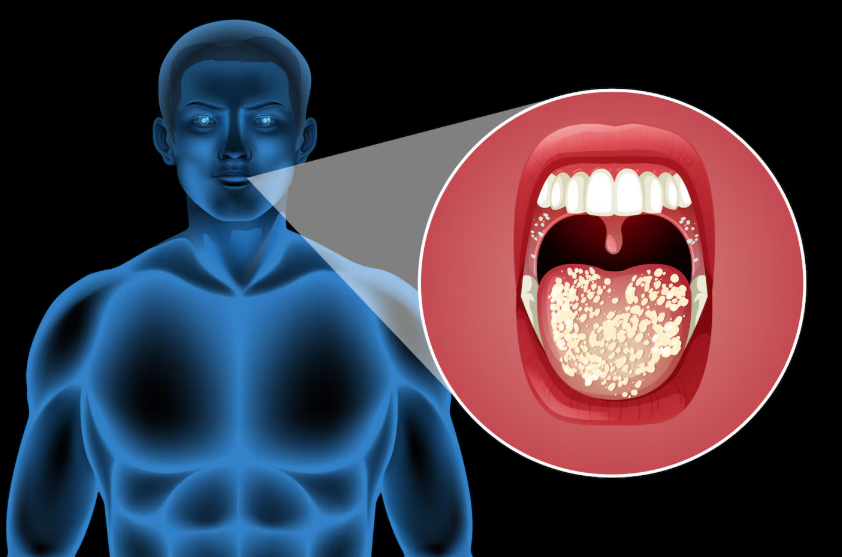
By Shivam Vatsal
Oral cancer is a serious health condition that affects the mouth and throat. It often goes unnoticed in its early stages, which can delay treatment and reduce survival chances. Raising awareness about oral cancer can help people recognize early warning signs and take preventive steps for better oral health.
What Is Oral Cancer?
Oral cancer is a disease in which abnormal cells grow uncontrollably in the tissues of the mouth. It can affect the lips, tongue, gums, cheeks, roof and floor of the mouth, and throat. If left untreated, oral cancer can spread to other parts of the body and become life-threatening.
Main Causes of Oral Cancer
Several factors increase the risk of developing oral cancer:
- Tobacco use: Smoking or chewing tobacco is the leading cause of oral cancer.
- Alcohol consumption: Excessive alcohol intake increases the risk, especially when combined with tobacco.
- HPV infection: Human Papillomavirus is linked to many oral and throat cancers.
- Sun exposure: Long-term exposure to sunlight can cause lip cancer.
- Poor oral hygiene: Chronic irritation and poor dental care may contribute to oral cancer over time.
Symptoms of Oral Cancer
Oral cancer symptoms are often painless in the early stages, making them easy to ignore. Common signs include:
- Mouth sores or ulcers that do not heal
- Red or white patches inside the mouth
- Lumps or thickened areas in the mouth or neck
- Difficulty chewing or swallowing
- Persistent sore throat or hoarseness
- Numbness in the lips or tongue
- Unexplained bleeding in the mouth
Any symptom lasting more than two weeks should be examined by a dentist or doctor.
Importance of Early Detection
Early detection of oral cancer greatly improves the chances of successful treatment. When identified early, treatment is often less aggressive and recovery is faster. Regular dental check-ups are essential, as dentists can spot early changes that may not be visible or painful.
Self-examination of the mouth once a month can also help detect unusual changes early.
Prevention of Oral Cancer
Many cases of oral cancer can be prevented by adopting healthy habits:
- Avoid smoking and all tobacco products
- Limit or avoid alcohol consumption
- Maintain good oral hygiene
- Visit the dentist regularly for check-ups
- Protect lips from sun exposure
- Get vaccinated against HPV if recommended
- Eat a healthy diet rich in fruits and vegetables
Conclusion
Oral cancer is a serious but preventable disease. Awareness, early detection, and healthy lifestyle choices play a vital role in reducing the risk. Paying attention to your oral health today can protect your overall health in the future.
About the Author
Shivam Vatsal is dedicated to sharing informative content on health awareness, preventive care, and wellness. Read more articles.


