Don’t Ignore These Signs! Is It Just a Mouth Ulcer?
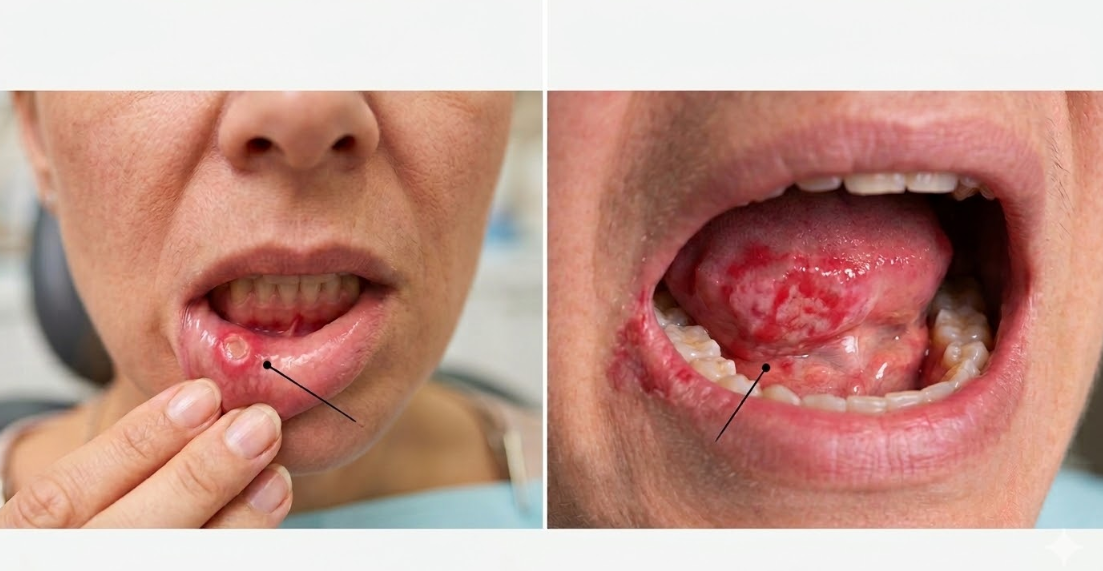
A mouth ulcer is something most people experience at some point in their lives. Usually, these small sores heal within a week or two without causing any major concern. However, when a mouth ulcer does not heal for a long time, it may be a warning sign of a more serious condition such as Oral Cancer.
Many patients assume that a persistent sore is harmless and delay seeking medical help. Unfortunately, this delay can allow the disease to progress. Understanding the early warning signs can help in detecting oral cancer at an early stage, when treatment is most effective.
Dr. Shivam Vatsal Agarwal, Director & Head of Surgical Oncology & Robotic Surgery, emphasizes that early detection plays a crucial role in improving survival and treatment outcomes.
What Is Oral Cancer?
Oral cancer refers to cancer that develops in any part of the mouth, including:
- Lips
- Tongue
- Inner cheeks
- Floor of the mouth
- Roof of the mouth
- Gums
- Throat area
In many cases, oral cancer begins as a small, painless sore or patch, which is why it often goes unnoticed in the early stages.
Common Signs That Should Not Be Ignored
Not every mouth ulcer is cancerous, but certain symptoms should raise concern, especially if they persist for more than two weeks.
1. A Mouth Ulcer That Won’t Heal
Most ulcers heal within 7–14 days. If a sore lasts longer than two weeks, it should be examined by a specialist.
2. Red or White Patches in the Mouth
Unusual patches on the tongue, gums, or inner cheeks can be early signs of oral cancer.
3. Difficulty Swallowing
Persistent discomfort or pain while swallowing food or liquids may indicate a deeper problem.
4. A Lump or Thickening in the Mouth or Neck
Any unexplained swelling or lump should be checked promptly.
5. Persistent Bad Breath
Bad breath that does not improve with oral hygiene may be a sign of infection or underlying disease.
6. Voice Changes or Difficulty Speaking
Changes in voice or difficulty moving the tongue and jaw can occur as the disease progresses.
Who Is at Higher Risk?
Certain lifestyle habits and conditions significantly increase the risk of developing oral cancer.
Tobacco Use
Smoking cigarettes, cigars, or chewing tobacco is one of the biggest risk factors.
Alcohol Consumption
Heavy alcohol use can irritate oral tissues and increase cancer risk.
HPV Infection
The Human Papillomavirus has been linked to certain types of oral cancers.
Poor Oral Hygiene
Chronic irritation, poor dental health, and ill-fitting dentures may contribute to risk.
Sun Exposure
Excessive sun exposure can increase the risk of cancer of the lips.
Why Early Detection Is Critical
The earlier oral cancer is diagnosed, the easier it is to treat. When detected in early stages:
- Treatment is less aggressive
- Recovery rates are significantly higher
- Quality of life after treatment is better
Unfortunately, many patients ignore symptoms until the disease reaches an advanced stage.
When Should You See a Doctor?
You should consult a specialist if you experience:
- A mouth ulcer lasting more than two weeks
- Unexplained bleeding from the mouth
- Persistent pain in the mouth or throat
- Difficulty swallowing or chewing
- A lump in the mouth or neck
A simple clinical examination can often detect suspicious lesions early.
How to Reduce Your Risk
While not all oral cancers can be prevented, certain lifestyle choices can reduce risk:
- Avoid tobacco in all forms
- Limit alcohol consumption
- Maintain good oral hygiene
- Visit your dentist regularly
- Eat a balanced diet rich in fruits and vegetables
- Seek medical advice for persistent oral problems
Final Thoughts
A small mouth ulcer may seem harmless, but persistent symptoms should never be ignored. Oral cancer often begins silently, without pain, which is why awareness is so important.
If you notice a mouth sore that refuses to heal or any unusual change in your mouth, do not delay seeking medical advice. Early diagnosis can make a life-saving difference.
As Dr. Shivam Vatsal Agarwal advises, staying informed and proactive about your health is the best way to protect yourself and your loved ones.


