Pediatric Oncologist in Faridabad & Delhi NCR: Expert Cancer Care for Children
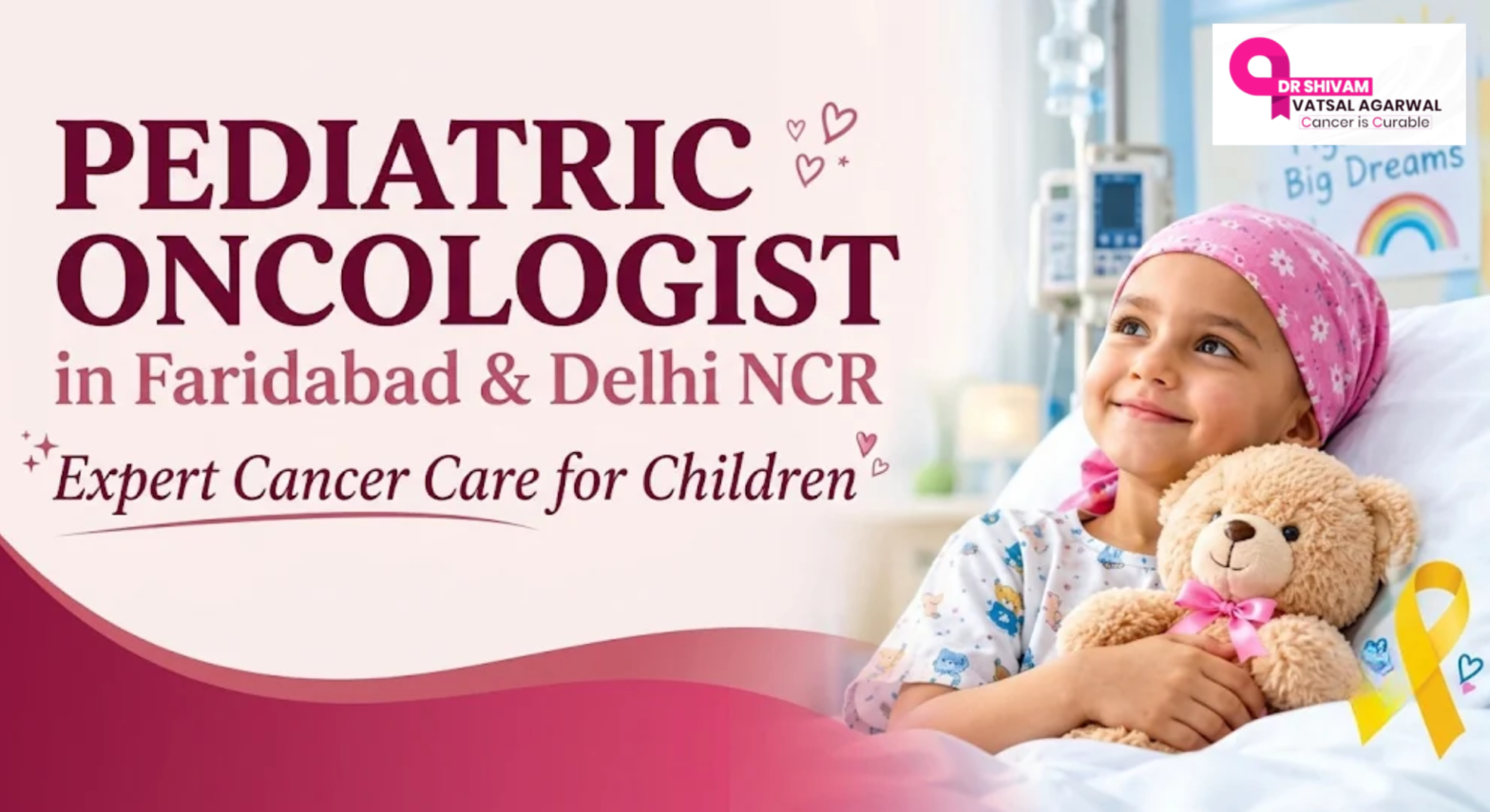
When a child is diagnosed with cancer, life can suddenly feel uncertain for the entire family. Parents naturally have hundreds of questions. Is cancer treatable? What treatment will my child need? Will my child be able to return to school and enjoy a normal childhood?
These concerns are completely understandable. A childhood cancer diagnosis is emotionally challenging, but advances in cancer diagnosis, chemotherapy, targeted treatments and supportive care have improved treatment possibilities for many children.
Finding an experienced Pediatric Oncologist in Faridabad & Delhi NCR is an important step towards understanding your child’s condition and choosing an appropriate treatment plan.
At Metro Cancer Institute Hospital, Faridabad, families can consult Dr. Shivam Vatsal Agarwal for specialist cancer care. Understanding the diagnosis, discussing treatment options and receiving continuous medical guidance can help parents approach this journey with greater confidence.
What Is Pediatric Oncology?
Pediatric oncology is a specialised branch of medicine focused on diagnosing and treating cancer in babies, children and adolescents.
Unlike adult cancer care, childhood cancer treatment needs to consider a child’s age, growth, development and overall health. Children may also respond differently to certain cancer treatments.
A pediatric oncologist evaluates the child’s condition, confirms the diagnosis and develops a treatment approach based on the cancer type, stage and individual medical needs.
Common childhood cancers include:
- Leukaemia: Cancer affecting blood-forming tissues and bone marrow.
- Brain and spinal cord tumours: Abnormal growths that develop in the brain or central nervous system.
- Lymphoma: Cancer involving the lymphatic system, which helps the body fight infections.
- Neuroblastoma: A cancer that usually develops in immature nerve cells.
- Wilms’ tumour: A type of kidney cancer that primarily affects children.
- Bone cancers: Including osteosarcoma and Ewing sarcoma.
Every child’s diagnosis is different, which is why an individualised medical evaluation is essential.
Why Does Childhood Cancer Develop?
One of the most difficult questions parents ask is, “Why did this happen to my child?”
In many cases, the exact cause of childhood cancer is unknown. Unlike several adult cancers, childhood cancers are generally not linked to lifestyle habits such as smoking, alcohol consumption or diet.
Cancer develops when certain cells undergo changes that cause them to grow and multiply uncontrollably.
Some childhood cancers may involve genetic changes that occur during early development. However, this does not automatically mean the condition was inherited from parents.
Important: Parents should never blame themselves for a child’s cancer diagnosis. Most childhood cancers cannot be prevented through routine lifestyle changes.
What Are the Early Warning Signs of Cancer in Children?
Childhood cancer symptoms can sometimes resemble common childhood illnesses. A persistent fever, tiredness or loss of appetite does not automatically indicate cancer, but symptoms that continue, worsen or appear unusual deserve medical attention.
Look out for these possible warning signs:
- Unexplained fever: Repeated or persistent fever without a clear cause.
- Unusual lumps or swelling: Particularly in the neck, abdomen, armpit or other areas.
- Frequent bruising or bleeding: Bruises without an obvious injury, nosebleeds or unusual bleeding.
- Persistent bone or joint pain: Pain that continues or interferes with normal activities.
- Unexplained weight loss: Losing weight without changes in eating habits.
- Extreme tiredness: Ongoing weakness or reduced energy.
- Frequent headaches: Especially headaches accompanied by vomiting or vision changes.
- Changes in vision or balance: Difficulty walking, coordination problems or unusual eye movements.
These symptoms can have many possible explanations. A doctor can determine whether further investigations are needed.
How Is Cancer Diagnosed in Children?
An accurate diagnosis is the foundation of effective cancer treatment. A pediatric oncologist may recommend different tests depending on the child’s symptoms and suspected cancer type.
1. Medical History and Physical Examination
The doctor discusses the child’s symptoms, medical history and family history. A physical examination helps identify unusual swelling, lumps or other abnormalities.
2. Blood Tests
Blood investigations, including a complete blood count (CBC), can provide information about blood cells, haemoglobin and platelet levels.
3. Imaging Tests
Depending on the suspected condition, investigations may include:
- Ultrasound
- CT scan
- MRI
- PET-CT
These tests help doctors understand the location and extent of an abnormal growth.
4. Biopsy and Bone Marrow Examination
A biopsy involves examining a small tissue sample under a microscope to identify cancer cells. In certain conditions, a bone marrow examination may also be necessary.
Not every child needs every test. The diagnostic plan depends on the suspected cancer and the treating specialist’s assessment.
What Treatment Options Are Available for Childhood Cancer?
Childhood cancer treatment depends on the type of cancer, its stage, the child’s age and overall health. Sometimes one treatment is sufficient, while other conditions require a combination of therapies.
Here are some commonly used treatment approaches.
1. Chemotherapy
Chemotherapy uses medicines to destroy cancer cells or stop them from multiplying. It may be given through an injection, intravenous drip or oral medication.
The treatment is often provided in cycles, allowing the child’s body time to recover between sessions. Possible side effects include nausea, hair loss, tiredness and a reduced ability to fight infections.
2. Radiation Therapy
Radiation therapy uses carefully controlled high-energy radiation to destroy cancer cells. It may be recommended for certain brain tumours, solid tumours and other specific conditions.
Doctors carefully consider a child’s age and developing tissues before recommending radiation.
3. Cancer Surgery
Surgery may be used to remove a tumour when it is medically appropriate and safe. It can also help obtain tissue samples for an accurate diagnosis.
Not every childhood cancer requires surgery. The decision depends on the tumour’s location, size and response to other treatments.
4. Targeted Therapy
Targeted therapy uses medicines designed to act on particular changes in cancer cells. These treatments may be suitable for children with specific molecular or genetic features identified through testing.
5. Immunotherapy
Immunotherapy helps the body’s immune system recognise and fight cancer cells. It is useful in certain childhood cancers, depending on the diagnosis and available treatment options.
Why Is Supportive Care Important?
Cancer treatment involves more than medicines and medical procedures. Children may need nutritional support, infection management, pain relief and emotional care throughout treatment.
A multidisciplinary team can help address these needs while supporting the child’s physical and emotional development.
According to the World Health Organization (WHO), approximately 400,000 children and adolescents aged 0–19 develop cancer worldwide each year. WHO also highlights that more than 80% of children with cancer can be cured in countries where comprehensive cancer services are accessible. These figures demonstrate why timely diagnosis and access to appropriate treatment matter.
How Can Parents Support a Child During Cancer Treatment?
A cancer diagnosis affects the entire family, not just the child. Parents often have to balance hospital visits, treatment schedules, work responsibilities and their child’s emotional needs.
A few practical steps can make this journey more manageable:
- Maintain regular communication with the doctor: Ask questions whenever you are unsure about medicines, symptoms or treatment progress.
- Follow the prescribed treatment schedule: Avoid missing appointments or changing medicines without medical advice.
- Pay attention to nutrition: Follow the treating team’s dietary recommendations and encourage adequate hydration.
- Protect emotional well-being: Reassure your child, listen to their concerns and maintain familiar routines whenever possible.
- Discuss school arrangements: Coordinate with teachers to help your child continue learning when medically appropriate.
- Keep medical records organised: Maintain reports, prescriptions, investigation results and treatment summaries.
Remember, your child still needs moments of happiness, play and normal family life. Small familiar activities can provide comfort during a difficult period.
Meet the Expert: Dr. Shivam Vatsal Agarwal
PEDIATRIC CANCER CARE | METRO CANCER INSTITUTE HOSPITAL
Dr. Shivam Vatsal Agarwal is the doctor identified for consultation at Metro Cancer Institute Hospital, Sector 16A, Faridabad.
For parents looking for a Pediatric Oncologist in Faridabad and Delhi NCR, consulting a specialist can help them understand the diagnosis, explore appropriate treatment options and plan the next steps.
Childhood cancer care requires a thoughtful approach that considers not only the disease but also the child’s growth, comfort and emotional well-being.
The focus of a consultation should be on clear communication, individualised treatment planning and helping families understand each stage of care.
Understanding the Childhood Cancer Treatment Journey
Every child’s treatment timeline is different. Some children need a short diagnostic evaluation, while others require several months or longer of treatment and follow-up.
| Treatment stage | What usually happens |
| Initial consultation | Review of symptoms and medical history |
| Diagnostic evaluation | Blood tests, scans and other necessary investigations |
| Treatment planning | Discussion of diagnosis and suitable treatment options |
| Active treatment | Chemotherapy, surgery, radiation or other indicated therapies |
| Recovery and monitoring | Assessment of side effects and response to treatment |
| Long-term follow-up | Monitoring for recurrence and possible late effects |
Important: This is a general overview, not a fixed treatment schedule. The treating oncologist determines the appropriate timeline for each child.
Why Choose a Specialist for Childhood Cancer Care in Faridabad?
When searching for a Pediatric Oncologist in Faridabad & Delhi NCR, parents should look beyond convenience and consider the medical expertise and facilities available for their child’s condition.
Here are some important factors to discuss during your consultation:
- Experience in managing the specific type of childhood cancer.
- Availability of appropriate diagnostic investigations.
- Access to recommended cancer treatments.
- Coordination between oncology and other medical specialists.
- Support for nutrition, infection prevention and treatment-related side effects.
- A clear follow-up and long-term monitoring plan.
Families should also understand the expected benefits, possible risks and alternatives before starting treatment.
Frequently Asked Questions (FAQs)
1. Who is the best pediatric oncologist in Faridabad?
The right pediatric oncologist depends on your child’s diagnosis, treatment requirements and the specialist’s relevant qualifications and experience. You can consult Dr. Shivam Vatsal Agarwal at Metro Cancer Institute Hospital, Faridabad, and discuss your child’s medical condition.
2. What are the most common cancers in children?
Leukaemia, brain tumours, lymphoma, neuroblastoma and Wilms’ tumour are among the commonly diagnosed childhood cancers. Their symptoms and treatment options vary depending on the specific condition.
3. Is childhood cancer curable?
Yes, many childhood cancers can be cured with appropriate treatment. The chances of recovery depend on the cancer type, stage, response to treatment and availability of comprehensive medical care.
4. What are the early signs of cancer in children?
Persistent fever, unexplained weight loss, unusual bruising, frequent headaches, bone pain and unexplained lumps can be possible warning signs. These symptoms do not necessarily indicate cancer, but persistent or concerning symptoms should be evaluated by a doctor.
5. How long does childhood cancer treatment take?
Childhood cancer treatment may take several weeks, months or longer, depending on the diagnosis and treatment protocol. The oncologist will explain the expected duration and follow-up schedule.
6. When should I consult a pediatric oncologist?
You should consult a pediatric oncologist when a doctor suspects childhood cancer, diagnostic tests identify a possible malignancy or your child needs specialist evaluation for an existing cancer diagnosis.
Next Steps: Book a Consultation in Faridabad
A childhood cancer diagnosis can feel overwhelming, but you do not have to navigate the medical decisions without professional guidance.
If your child needs specialist evaluation, consult Dr. Shivam Vatsal Agarwal at Metro Cancer Institute Hospital, Faridabad to discuss the diagnosis and appropriate treatment options.
Metro Cancer Institute Hospital
Address: Ground Floor, Metro Cancer Institute Hospital, Nirman Kunj, ADB PWD Colony, Sector 16A, Faridabad, Haryana – 121002.
Call: 099688 56411


