How to Protect Your Skin During Radiation Treatment: Essential Skin Care Tips for Cancer Patients
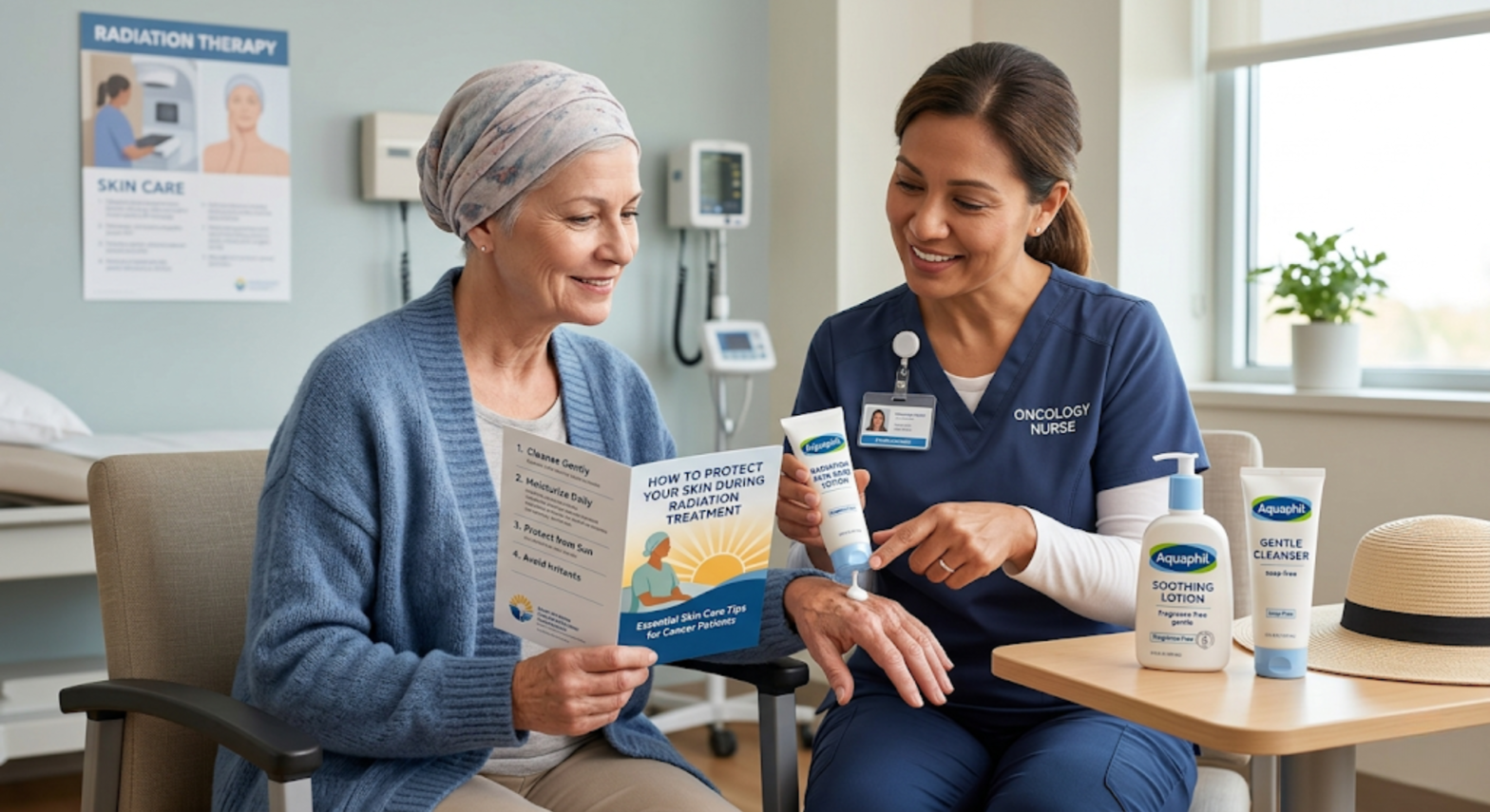
Radiation therapy is one of the most effective treatments for cancer, helping destroy cancer cells and control tumor growth. However, during treatment, many patients experience skin changes such as redness, dryness, itching, peeling, or sensitivity in the treated area. Proper skin care during radiation therapy is extremely important to reduce discomfort and support healing.
According to Dr. Shivam Vatsal Agarwal, maintaining healthy skin during radiation treatment can significantly improve comfort and quality of life throughout the cancer journey.
In this guide, we will discuss the best ways to protect your skin during radiation therapy, what to avoid, and practical tips to manage radiation-related skin irritation safely.
Why Does Radiation Therapy Affect the Skin?
Radiation therapy targets cancer cells using high-energy rays. While the treatment is focused on the tumor, nearby healthy skin cells can also be affected. This may lead to a condition called radiation dermatitis.
Common skin reactions include:
- Redness or darkening of the skin
- Dryness and peeling
- Itching or burning sensation
- Tenderness and sensitivity
- Swelling
- Blistering in severe cases
These side effects usually develop gradually during treatment and may continue for a short time afterward.
Best Skin Care Tips During Radiation Treatment
1. Use Only Recommended Creams and Moisturizers
Always use creams, lotions, or ointments approved by your radiation oncology team. Certain skincare products may contain chemicals or fragrances that can irritate sensitive skin further.
Recommended products are usually:
- Fragrance-free
- Alcohol-free
- Gentle on sensitive skin
Avoid applying any cream right before your radiation session unless your doctor specifically advises it.
Keep the Treated Area Clean and Dry
Gentle hygiene is essential during radiation therapy.
Follow These Tips:
- Wash the area using lukewarm water
- Use mild, fragrance-free soap
- Pat the skin dry softly with a towel
- Avoid scrubbing the treated area
Keeping the skin clean helps prevent infections while reducing irritation.
Protect Your Skin from Friction and Sunlight
Radiated skin becomes more sensitive to external damage.
Wear Loose Clothing
Choose:
- Soft cotton fabrics
- Loose-fitting clothes
- Breathable materials
Avoid:
- Tight bras or waistbands
- Rough fabrics like wool
- Clothing that rubs repeatedly against the skin
Avoid Direct Sun Exposure
Radiation-treated skin is highly sensitive to UV rays.
Protect your skin by:
- Staying in the shade
- Wearing protective clothing
- Using sunscreen only if recommended by your doctor
Even after treatment ends, the skin may remain sun-sensitive for months.
What Should You Avoid During Radiation Therapy?
Avoid Harsh Soaps and Chemicals
Products containing alcohol, perfumes, or strong chemicals can worsen skin irritation.
Do not use:
- Deodorants on treated areas unless approved
- Perfumed lotions
- Chemical peels
- Medicated creams without medical advice
Avoid Extremely Hot Showers
Hot water can dry out and damage sensitive skin.
Instead:
- Take short lukewarm showers
- Avoid steam baths and saunas
- Do not use heating pads or ice packs on the treated area
Do Not Scratch or Rub the Skin
Even if itching occurs, avoid scratching the skin because it can lead to:
- Infection
- Skin breakdown
- Increased inflammation
If itching becomes severe, consult your radiation specialist for safe treatment options.
Additional Tips for Radiation Skin Care
Stay Hydrated
Drinking enough water helps maintain skin hydration and supports healing.
Eat a Nutritious Diet
A balanced diet rich in:
- Protein
- Vitamins
- Antioxidants
can support skin repair during cancer treatment.
Inform Your Doctor About Skin Changes
Seek medical attention if you notice:
- Open wounds
- Severe peeling
- Bleeding
- Fever
- Signs of infection
Early management prevents complications.
Emotional Support Matters Too
Skin reactions during radiation therapy can sometimes affect confidence and emotional well-being. Remember that these side effects are usually temporary and manageable with proper care.
Maintaining open communication with your oncology team can help you feel more comfortable and confident throughout treatment.
Frequently Asked Questions (FAQs)
1. How long do skin side effects from radiation therapy last?
Most mild skin reactions improve within a few weeks after treatment ends. Some sensitivity or discoloration may last longer depending on the treatment area and skin type.
2. Can I apply coconut oil or home remedies during radiation therapy?
Do not apply home remedies without consulting your radiation oncologist. Some natural products may irritate the skin or interfere with treatment.
3. Is it normal for skin to become dark during radiation treatment?
Yes, temporary darkening or redness of the skin is a common side effect of radiation therapy.
4. Can I use deodorant during radiation treatment?
Only use deodorants if approved by your radiation care team, especially when treatment involves the underarm or chest area.
5. What type of clothing is best during radiation therapy?
Loose, soft cotton clothing is best because it minimizes friction and allows the skin to breathe.
6. When should I contact my doctor about skin problems?
Contact your doctor if you experience severe pain, blistering, bleeding, infection, or worsening skin damage.
Protecting your skin during radiation therapy is an important part of cancer care. Simple daily habits such as gentle cleansing, avoiding harsh chemicals, staying hydrated, and protecting the treated area from friction and sunlight can make a significant difference.
With proper care and guidance from experienced specialists like Dr. Shivam Vatsal Agarwal, patients can manage skin side effects more comfortably and continue treatment with greater confidence.
If you or a loved one is undergoing radiation therapy and experiencing skin-related side effects, consult an experienced oncology specialist for personalized guidance and support.
Book a consultation with Dr. Shivam Vatsal Agarwal to learn more about safe cancer treatment, radiation care, and recovery strategies.
Stay informed. Stay protected. Prioritize your skin health during cancer treatment.


