Demystifying Cancer Surgery: How Robotic Oncology is Changing the Game in Faridabad
Hearing the word “cancer” feels like the world has suddenly ground to a halt. It is completely natural to feel overwhelmed, scared, and flooded with a million questions all at once.
If you or a loved one has recently received a diagnosis, your mind is probably spinning. You might be worrying about the complexity of the treatment, the pain of recovery, or how much time you will have to spend away from your family.
For a long time, traditional cancer surgery meant large incisions, significant pain, and long, grueling weeks of recovery in a hospital bed. But medicine has evolved beautifully. Today, advanced technologies like robotic cancer surgery are shifting the narrative entirely, offering a level of precision that was unimaginable just a few decades ago.
Let us take a deep breath together and walk through what modern surgical oncology looks like, how robotic-assisted procedures actually work, and why this might be the gentlest, most effective path forward for your health journey.
What is Robotic Cancer Surgery?
It is easy to hear the term robotic cancer surgery and picture a metallic humanoid operating autonomously. The reality is much more reassuring.
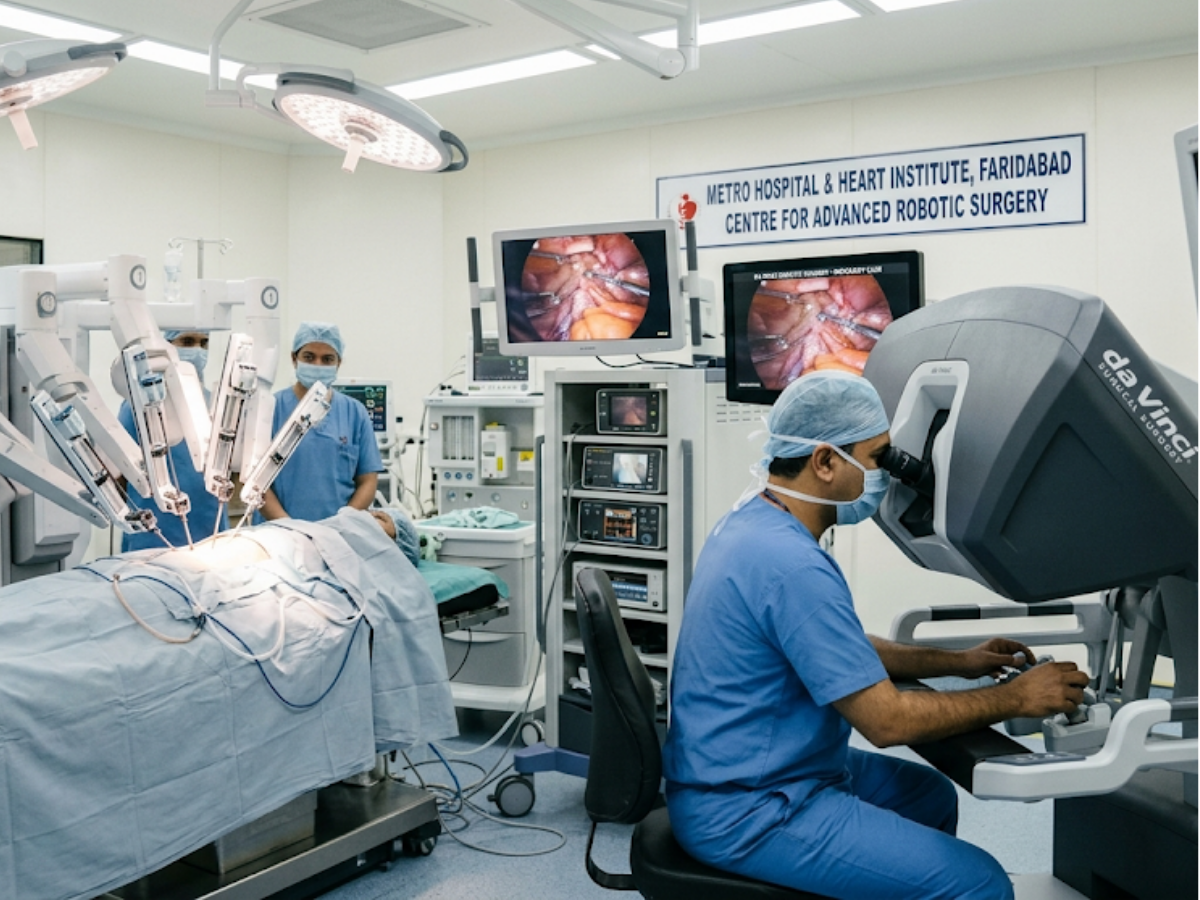
Robotic-assisted surgery is a highly advanced form of minimally invasive surgery where your surgeon remains in absolute control of every single movement. Think of it like a master sculptor using ultra-fine, microscopic tools.
Instead of standing directly over the operating table making large cuts, the surgeon sits at a highly specialized computer console just a few feet away. This console gives them a high-definition, three-dimensional view of the inside of your body, magnified up to ten times. When the surgeon moves their hands and fingers, the robotic arms translate those movements in real time with pinpoint, sub-millimeter accuracy.
The robot cannot make decisions, program itself, or move on its own. It is simply an incredibly precise extension of your surgeon’s highly trained hands.
Why Choose Robotic Surgery Over Traditional Surgery?
If you are facing a cancer diagnosis, choosing the right surgical approach is one of the biggest decisions you will make. To help you understand how these options compare, let us look at how robotic cancer surgery stacks up against traditional open surgery.
| Feature | Traditional Open Surgery | Advanced Robotic Surgery |
| Incision Size | One large, continuous incision (often several inches long) | A few tiny, keyhole incisions (about the size of a dime) |
| Visual Clarity | Standard naked-eye view of the surgical area | 3D high-definition magnification up to ten times |
| Precision & Range | Limited by the human hand’s natural range and tremor | 360-degree rotating instruments that eliminate hand tremors |
| Blood Loss | Moderate to high, often requiring transfusions | Minimal, reducing complications and infection risks |
| Hospital Stay | Often 5 to 7 days or more | Typically 1 to 3 days |
| Recovery Time | 6 to 8 weeks before returning to normal activities | 2 to 4 weeks, with significantly less postoperative pain |
How Robotic Surgery Targets Cancer with Pinpoint Accuracy
When treating cancer, the primary goal of any surgical oncologist is to remove the entire tumor while preserving as much surrounding healthy tissue as possible. This is especially critical near delicate nerves, blood vessels, and vital organs.
Traditional surgical instruments are straight and rigid, resembling long chopsticks. While effective, they cannot easily bend around corners or work comfortably in tight anatomical spaces, such as deep within the pelvis or chest.
The instruments used in robotic cancer surgery feature “EndoWrist” technology. These tiny, specialized instruments are designed to mimic the human wrist but with a much greater range of motion. They can bend, twist, and rotate a full 360 degrees in incredibly confined spaces.
This extreme maneuverability allows surgeons to carefully separate a tumor from healthy organs, minimize blood loss, and protect the delicate nerves that govern essential bodily functions.
Meet Your Partner in Health: Dr. Shivam Vatsal Agarwal
When you are navigating a cancer diagnosis, you deserve more than just technical clinical expertise; you deserve a compassionate partner who truly listens.
+———————————–+
| Director & Head – Surgical |
| Oncology & Robotic Surgery |
+———————————–+
|
+———————–+———————–+
| |
[ Clinical Philosophy ] [ Technical Expertise ]
– Patient-first approach – Advanced robotic systems
– Clear, honest communication – Minimally invasive care
– Empathy & collaborative recovery – Precision cancer targeting
As the Director & Head of Surgical Oncology & Robotic Surgery at Metro Cancer Institute, Dr. Shivam Vatsal Agarwal has dedicated his career to bringing world-class cancer care to Faridabad and the wider Delhi NCR region.
With extensive specialized training and years of hands-on experience performing complex procedures, Dr. Shivam Vatsal believes that the best cancer care combines cutting-edge robotic technology with deeply personalized empathy.
He and his dedicated medical team are committed to guiding you through every step of your surgical journey—explaining your options clearly, answering your questions patiently, and building a customized recovery plan designed around your unique life and health goals.
Real Stories, Real Recovery: What Our Patients Say
Hearing from others who have walked this path can bring immense comfort. Here is what patients have experienced under the care of Dr. Shivam Vatsal Agarwal:
“A Lifesaving Experience”
“When we found out my father had colorectal cancer, we were absolutely devastated. Dr. Shivam Vatsal Agarwal took the time to explain how robotic surgery could safely remove the tumor with minimal downtime. My father was up and walking just a couple of days after the procedure. The small incisions healed so quickly, and the team at Metro Hospital was wonderfully supportive throughout.”
— Rajesh K., Faridabad
“Unmatched Precision and Compassion”
“I was terrified of having major surgery for my thoracic tumor. Dr. Shivam explained that robotic-assisted surgery would allow him to operate with extreme precision near my heart and lungs. His calm, reassuring demeanor gave me the courage to move forward. Today, I am cancer-free and back to my morning walks. I cannot thank him enough.”
— Meena S., New Delhi
Your Path to Healing: The Treatment Timeline
If you decide to move forward with robotic-assisted surgery, it helps to know exactly what to expect. While every treatment plan is tailored to the individual, this timeline outlines the typical journey for our patients.
1
Initial Consultation and Mapping
Day 1
1.Initial Consultation and Mapping:Day 1.
You will sit down with Dr. Shivam Vatsal Agarwal to review your scans, discuss your diagnosis, and determine if a robotic-assisted approach is the safest option for you.
2
Pre-Surgical Planning
1 to 2 Weeks Before Surgery
2.Pre-Surgical Planning:1 to 2 Weeks Before Surgery.
Our medical team conducts routine health checks, blood work, and anesthesia evaluations to ensure your body is fully prepared and optimized for the procedure.
3
The Robotic Procedure
Surgery Day
3.The Robotic Procedure:Surgery Day.
The surgery is performed through tiny, keyhole incisions. You will be under general anesthesia, and the surgical team will monitor you closely throughout the highly precise operation.
4
In-Hospital Monitoring
Post-Op Days 1 to 3
4.In-Hospital Monitoring:Post-Op Days 1 to 3.
Most robotic surgery patients experience very little pain and are able to sit up, eat, and walk comfortably within 24 to 48 hours of their procedure.
5
Returning Home and Recovery
Weeks 2 to 4
5.Returning Home and Recovery:Weeks 2 to 4.
You will return home with a customized recovery guide. Because the incisions are so small, most patients return to their light daily routines much faster than traditional surgery patients.
Frequently Asked Questions About Robotic Cancer Surgery
Will the robot be operating on me by itself?
No, the robot cannot make any independent movements or decisions during your procedure. Every single incision, stitch, and movement is directly controlled in real time by Dr. Shivam Vatsal Agarwal, who sits at the computer console right inside the operating room.
Is robotic surgery safer than traditional open surgery?
Yes, robotic surgery is generally considered safer for eligible patients because it significantly reduces blood loss, lowers the risk of wound infections, and minimizes trauma to neighboring healthy organs. However, like any medical procedure, the overall safety always depends on your specific diagnosis and general health.
How painful is recovery after a robotic procedure?
Most patients report experiencing significantly less pain after robotic surgery compared to traditional open procedures. Because the surgeon only needs to make tiny, pencil-width incisions rather than a single large cut, your muscles and tissues experience far less disruption, resulting in a much smoother recovery.
How long will I need to stay in the hospital after surgery?
The typical hospital stay after a robotic cancer procedure is only 1 to 3 days, which is much shorter than the week-long stay often required for open surgery. Our goal is to manage your discomfort effectively and help you return to the comfort of your own home as quickly and safely as possible.
Does insurance cover the cost of robotic cancer surgery?
Most major health insurance policies in India do cover robotic-assisted cancer surgeries, though coverage can vary depending on your specific plan and provider. Our dedicated billing and administrative team at Metro Hospital will gladly help you navigate the paperwork and pre-authorization steps.
Take Your Next Step Toward Recovery
You do not have to navigate this diagnosis alone. Our compassionate, state-of-the-art oncology team is here to support you, answer your questions, and provide the personalized, advanced care you deserve.
Visit Our Facility
Metro Cancer Institute
Metro Hospital, Sector 16,
Faridabad (NCR) – 121002, India
Reach Out to Us Today
- Call Us Directly: Tap below to speak with our clinical coordinator and get your questions answered immediately.
[ Call +91-99688 56411 ] - Book Your Consultation: Secure your personalized, in-person consultation with Dr. Shivam Vatsal Agarwal.
Would you like to learn more about preparing for your first oncology consultation?


