Stop Using Scratched Teflon! Here’s Why It Matters for Your Health
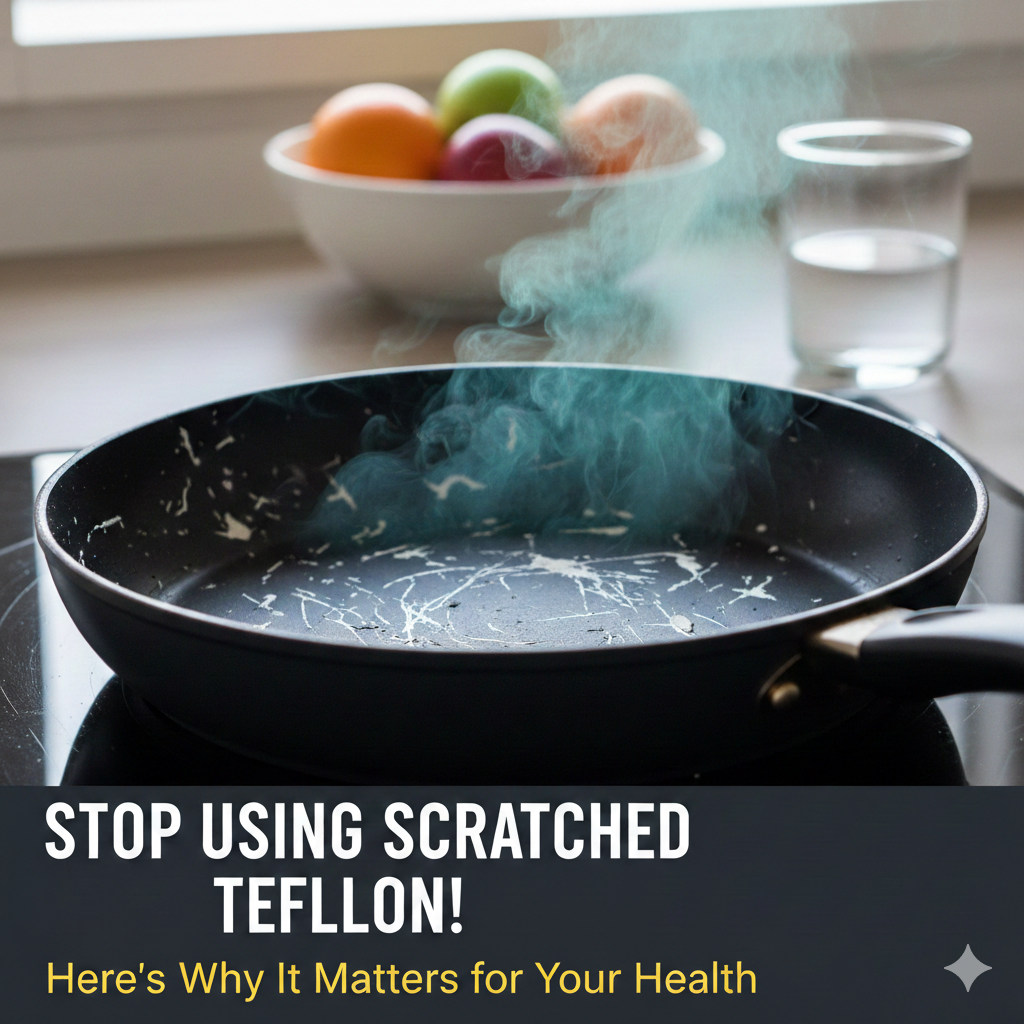
Non-stick cookware has become a staple in modern kitchens. Lightweight, easy to clean, and requiring less oil, Teflon-coated utensils seem convenient. But are scratched non-stick pans safe? More importantly, is there a link between damaged Teflon and cancer?
Dr. Shivam Vatsal Agarwal, Director & Head – Surgical Oncology, explains what you need to know to protect your health and your family.
What Is Teflon and Why Is It Used?
Teflon is a brand name for polytetrafluoroethylene (PTFE), a chemical coating that prevents food from sticking to cookware. When used correctly and kept intact, PTFE-coated pans are generally considered safe for cooking.
The concern arises when the coating gets scratched, chipped, or overheated.
Why Scratched Teflon Can Be Harmful
When a non-stick pan is damaged, several risks may come into play:
1. Release of Harmful Chemicals
Older or damaged Teflon coatings may release toxic fumes when heated at high temperatures. Prolonged exposure to these fumes has been associated with respiratory irritation and potential long-term health risks.
2. Ingestion of Coating Particles
Scratches can cause tiny flakes of the non-stick coating to mix with food. While occasional ingestion may not cause immediate harm, regular exposure is best avoided, especially for children and pregnant women.
3. Overheating Risks
Heating empty or damaged non-stick pans above 260°C (500°F) can degrade the coating faster, increasing the release of harmful compounds.
Important: Modern Teflon is PFOA-free, but damaged cookware still poses avoidable risks.
Non-Stick Pans and Cancer: What Does Science Say?
There is no direct evidence that properly used, intact non-stick cookware causes cancer. However, long-term exposure to toxic fumes from degraded coatings and unsafe cooking practices may contribute to health issues over time.
From a cancer prevention perspective, minimizing exposure to avoidable chemicals is always a safer choice.
Wooden vs. Steel: Which Utensils Should You Use?
Using the right tools can significantly extend the life of your non-stick cookware.
✅ Best Choice: Wooden or Silicone Utensils
- Gentle on the coating
- Reduce scratches
- Heat-resistant and safe
❌ Avoid: Steel or Metal Utensils
- Scratch the surface easily
- Accelerate coating damage
- Increase health risks over time
Cleaning Tips to Preserve Your Non-Stick Cookware
Follow these simple practices to keep your pans safe:
- Let the pan cool before washing
- Use a soft sponge, not steel wool
- Avoid harsh detergents
- Never stack pans without protection
- Do not scrub aggressively
Proper care can double the lifespan of your cookware.
When Should You Throw Away Your Non-Stick Pan?
It’s time to replace your pan if you notice:
- Visible scratches or peeling
- Food sticking despite oil
- Discoloration or warping
- Burning smells at normal temperatures
Using damaged cookware is not worth the health risk.
Safer Alternatives to Non-Stick Cookware
If you want to eliminate the risk altogether, consider:
- Stainless steel cookware
- Cast iron pans
- Ceramic-coated utensils (high-quality)
These options are durable and safer when used correctly.
Expert Advice from Dr. Shivam Vatsal Agarwal
“Cancer prevention starts with everyday choices. While non-stick cookware is convenient, damaged utensils should never be ignored. Simple kitchen habits can reduce unnecessary chemical exposure and promote long-term health.”
Dr. Shivam Vatsal Agarwal is a leading Surgical Oncologist and Robotic Surgery expert, committed to spreading awareness about cancer prevention and healthy living.
Final Takeaway
✔ Non-stick pans are safe only when intact and used correctly
✔ Scratched or damaged Teflon should be discarded
✔ Use wooden or silicone utensils
✔ Avoid overheating and harsh cleaning
✔ When in doubt, switch to safer cookware
Your kitchen choices today can impact your health tomorrow.


