Stomach Cancer Symptoms: When Is It More Than Just a Stomach Ache?
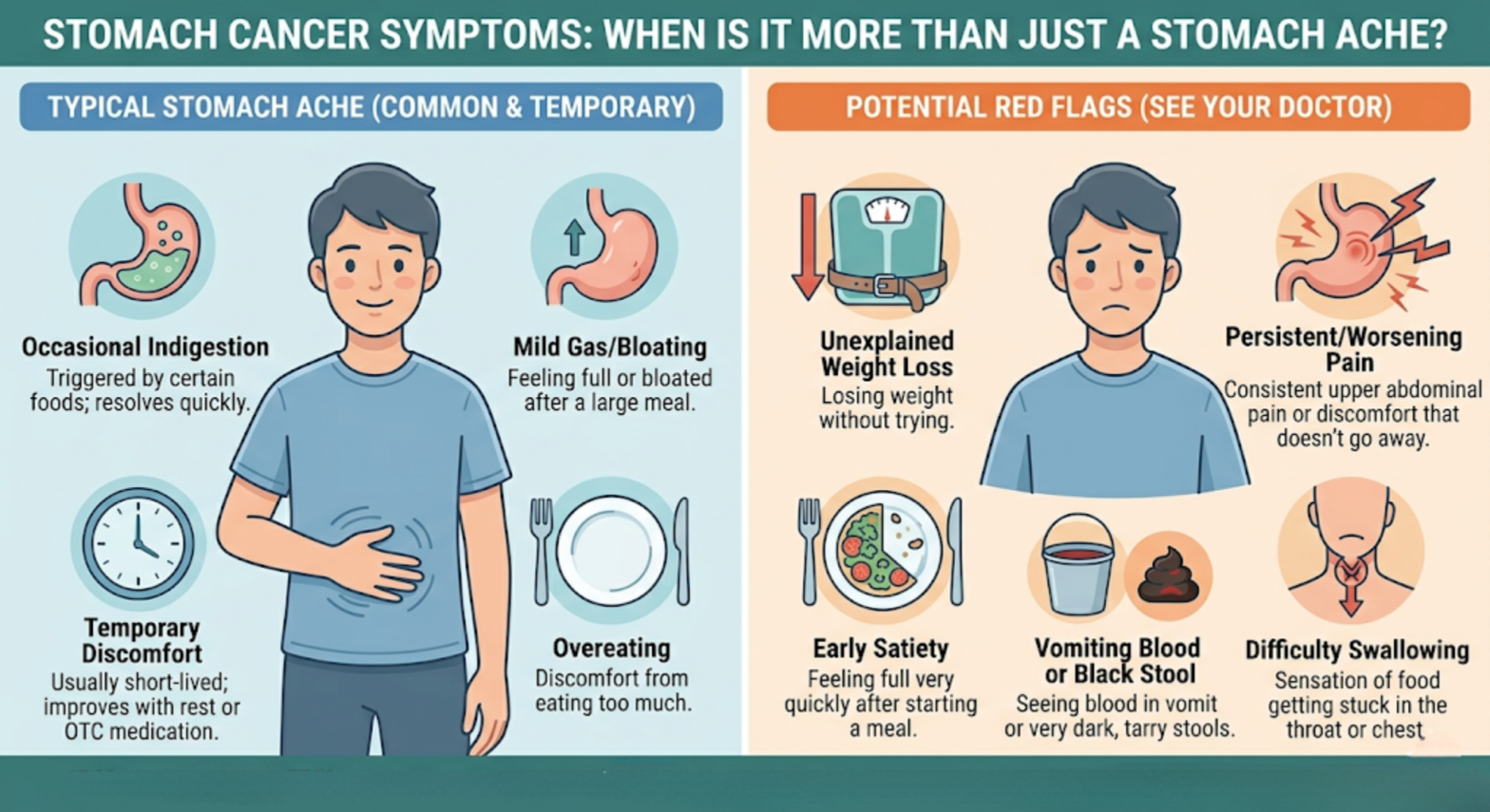
Is It Just a Regular Stomach Ache, or Something More Serious?
Most people experience stomach discomfort from time to time. It may be due to indigestion, acidity, food poisoning, or stress. However, when stomach problems become frequent, persistent, or are accompanied by other concerning symptoms, they should never be ignored.
Stomach cancer, also known as gastric cancer, often develops silently in its early stages. Many of its symptoms resemble common digestive issues, causing patients to delay seeking medical attention. Early diagnosis can significantly improve treatment outcomes and survival rates.
In this blog, Dr. Shivam Vatsal Agarwal, Director & Head of Surgical Oncology & Robotic Surgery at Metro Cancer Institute, Faridabad, explains the warning signs of stomach cancer, risk factors, and when to seek expert medical care.
What Is Stomach Cancer?
Stomach cancer occurs when abnormal cells grow uncontrollably in the lining of the stomach. Over time, these cells can form tumors and spread to nearby organs or distant parts of the body.
While stomach cancer can affect anyone, it is more commonly diagnosed in individuals over the age of 50. Early detection remains the key to successful treatment.
Early Symptoms of Stomach Cancer
The early signs of stomach cancer can be subtle and are often mistaken for common digestive problems.
1. Persistent Indigestion or Heartburn
Frequent indigestion, acidity, or a burning sensation that does not improve with routine medications may require further evaluation.
2. Chronic Stomach Pain
Persistent pain or discomfort in the upper abdomen should never be ignored, especially if it lasts for several weeks.
3. Feeling Full Quickly
Experiencing fullness after eating small amounts of food can be an early warning sign of stomach cancer.
4. Nausea and Vomiting
Repeated episodes of nausea or unexplained vomiting may indicate an underlying gastric condition.
5. Loss of Appetite
A sudden decrease in appetite without any apparent reason can be a concerning symptom.
6. Unexplained Weight Loss
Significant weight loss without changes in diet or exercise is one of the most important warning signs that requires medical attention.
7. Fatigue and Weakness
Chronic tiredness may occur due to internal bleeding or poor nutrition associated with stomach cancer.
8. Blood in Stool or Vomit
Black, tarry stools or vomiting blood are serious symptoms that require immediate medical evaluation.
Advanced Symptoms of Stomach Cancer
As the disease progresses, patients may experience:
- Severe abdominal pain
- Difficulty swallowing
- Persistent vomiting
- Visible abdominal swelling
- Jaundice (yellowing of the skin and eyes)
- Anemia
Who Is at Higher Risk for Stomach Cancer?
Several factors can increase the risk of developing stomach cancer:
- Infection with Helicobacter pylori (H. pylori)
- Smoking and tobacco use
- Excessive alcohol consumption
- Diet high in processed, smoked, or salted foods
- Family history of stomach cancer
- Obesity
- Chronic gastritis
- Previous stomach surgery
How Is Stomach Cancer Diagnosed?
If stomach cancer is suspected, your doctor may recommend:
Upper Gastrointestinal Endoscopy
A flexible camera is used to examine the stomach lining and identify abnormalities.
Biopsy
A small tissue sample is collected during endoscopy for laboratory testing.
CT Scan and PET Scan
Advanced imaging helps determine the extent of the disease.
Blood Tests
These tests help evaluate overall health and identify complications such as anemia.
Treatment Options for Stomach Cancer
Treatment depends on the stage and location of the cancer.
Surgery
Surgical removal of the tumor remains one of the most effective treatment options for localized stomach cancer.
Robotic Surgery
Minimally invasive robotic surgery offers greater precision, smaller incisions, faster recovery, and reduced complications.
Chemotherapy
Used before or after surgery to destroy cancer cells.
Targeted Therapy
Certain medications specifically target cancer-related genetic changes.
Immunotherapy
Helps the body’s immune system recognize and attack cancer cells.
Why Early Detection Matters
When stomach cancer is detected early, treatment outcomes are significantly better. Early-stage cancers are often easier to remove surgically and may require less aggressive treatment.
Ignoring symptoms can allow the disease to progress, making treatment more complex. If you have persistent digestive symptoms lasting more than a few weeks, seek professional medical evaluation.
Frequently Asked Questions (FAQs)
What are the first signs of stomach cancer?
The earliest symptoms often include indigestion, stomach discomfort, bloating, early fullness, loss of appetite, and unexplained weight loss.
Can stomach cancer be mistaken for gastritis?
Yes. Early stomach cancer symptoms often resemble gastritis, acidity, or ulcers, which is why persistent symptoms should be evaluated by a specialist.
Is stomach cancer curable?
Yes. Stomach cancer can be successfully treated, especially when diagnosed at an early stage.
How long should stomach pain last before seeing a doctor?
If stomach pain or digestive symptoms persist for more than two to three weeks, medical evaluation is recommended.
Who should undergo stomach cancer screening?
Individuals with chronic gastric issues, H. pylori infection, family history of stomach cancer, or other risk factors should discuss screening options with their doctor.
Can robotic surgery be used for stomach cancer?
Yes. Robotic surgery is increasingly used for stomach cancer and offers precise tumor removal with faster recovery in suitable patients.
Conclusion
Not every stomach ache is a sign of cancer, but persistent digestive symptoms should never be ignored. Chronic gastric problems, ongoing abdominal pain, unexplained weight loss, and changes in appetite may be warning signs of stomach cancer.
Early diagnosis saves lives. Recognizing symptoms and seeking expert care at the right time can make a significant difference in treatment success and long-term outcomes.
Consult a Stomach Cancer Specialist in Faridabad
If you or a loved one is experiencing persistent stomach discomfort, unexplained weight loss, or other concerning digestive symptoms, schedule a consultation with Dr. Shivam Vatsal Agarwal, Director & Head of Surgical Oncology & Robotic Surgery at Metro Cancer Institute, Faridabad.
Book Your Appointment Today
✔ Expert Cancer Diagnosis
✔ Advanced Robotic Cancer Surgery
✔ Personalized Treatment Plans
✔ Comprehensive Cancer Care Under One Roof
Early Detection Can Save Lives. Don’t Ignore the Warning Signs.


