Don’t Ignore These 5 Symptoms of Throat Cancer – Early Detection Can Save Your Life
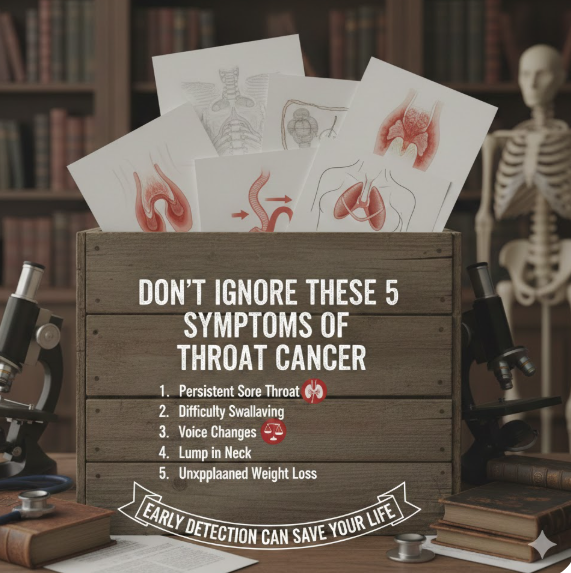
Throat cancer is a serious condition that often goes unnoticed in its early stages. Many patients ignore subtle symptoms, assuming they are due to a common cold, infection, or acidity. However, recognizing early warning signs can significantly improve treatment outcomes.
According to Dr. Shivam Vatsal Agarwal, Director & Head – Surgical Oncology & Robotic Surgery, early diagnosis plays a crucial role in successfully treating throat cancer. If detected at an early stage, the chances of cure and organ preservation are much higher.
In this blog, we discuss the 5 key symptoms of throat cancer you should never ignore, along with important risk factors and when to seek medical help.
What is Throat Cancer?
Throat cancer refers to cancer that develops in the pharynx (throat), larynx (voice box), or tonsils. It is closely related to head and neck cancers and is commonly associated with tobacco and alcohol use.
In India, throat cancer is one of the most common cancers, largely due to widespread tobacco consumption, including bidis, cigarettes, and chewing tobacco.
1️⃣ A Lump in the Throat or Neck
One of the earliest signs of throat cancer is a persistent lump in the throat or neck.
- It may feel like something is stuck.
- It may or may not be painful.
- It does not disappear over time.
If you notice a swelling that lasts for more than two weeks, it is important to consult a specialist immediately.
2️⃣ Persistent Hoarseness or Voice Changes
Have you experienced a change in your voice that doesn’t improve?
Hoarseness lasting more than 2–3 weeks could be a warning sign, especially if there is no history of infection. Throat cancer affecting the voice box (larynx) often presents with:
- Rough or strained voice
- Reduced voice clarity
- Persistent throat irritation
Early evaluation can help detect cancer at a stage where treatment is more effective and less invasive.
3️⃣ Difficulty or Pain While Swallowing
Pain or discomfort while swallowing (dysphagia) is another key symptom.
You may experience:
- A sensation of food getting stuck
- Pain radiating to the ear
- Difficulty swallowing solids or liquids
Ignoring this symptom can delay diagnosis and allow the disease to progress.
4️⃣ Bleeding from the Mouth
Unexplained bleeding from the mouth or throat should never be ignored.
While minor bleeding can occur due to gum issues, recurrent or unexplained bleeding may indicate a deeper problem and requires immediate medical evaluation.
5️⃣ Persistent Bad Breath
Chronic bad breath (halitosis) that does not improve despite good oral hygiene may sometimes be linked to throat cancer.
This occurs due to:
- Tumor growth
- Tissue breakdown
- Infection associated with malignancy
If bad breath is persistent and accompanied by other symptoms, it is essential to seek medical advice.
Major Risk Factors for Throat Cancer
Understanding risk factors can help in prevention and early screening.
🚬 Tobacco Use
Long-term use of:
- Bidis
- Cigarettes
- Chewing tobacco
is the leading cause of throat cancer in India.
🍺 Alcohol Consumption
Excessive alcohol intake increases risk, especially when combined with tobacco.
🦠 HPV Infection
Certain strains of Human Papillomavirus (HPV) are linked to throat cancers.
🧬 Poor Oral Hygiene & Nutritional Deficiencies
These can also contribute to increased risk over time.
Why Early Detection Matters
Early-stage throat cancer can often be treated successfully with:
- Minimally invasive surgery
- Robotic surgery
- Radiation therapy
- Combined modality treatment
Advanced stages require more aggressive treatment and may impact speech and swallowing functions significantly.
The earlier the diagnosis, the better the outcome.
When Should You See a Doctor?
Consult a specialist if you experience:
✔ Any symptom lasting more than 2–3 weeks
✔ Progressive worsening of symptoms
✔ History of tobacco use with throat discomfort
✔ Unexplained weight loss
Do not wait for severe pain. Early evaluation can make a life-saving difference.
Final Thoughts
Throat cancer does not always cause severe pain in the beginning. Often, it presents with mild, easily ignored symptoms. Being aware of the warning signs and acting promptly can significantly improve survival and quality of life.
If you or a loved one is experiencing any of these symptoms, seek professional medical consultation without delay.


