What Is Cancer? — Explained by Dr. Shivam Vatsal
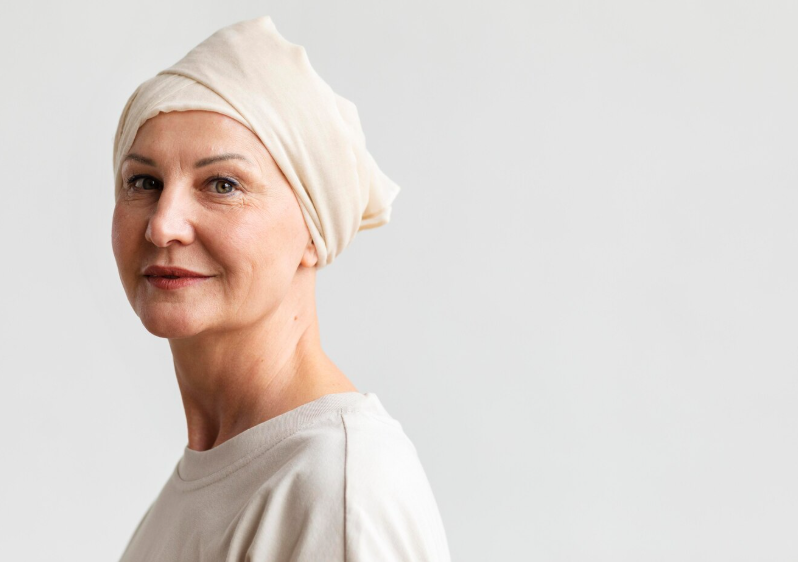
As a medical professional, I meet many patients who feel anxious or confused when they hear the word “cancer.” Much of this fear comes from not fully understanding what cancer actually is. My goal with this article is to provide a clear, simple, and medically accurate explanation so you can better understand the disease — and feel empowered rather than afraid.
What Exactly Is Cancer?
Cancer is not a single condition — it is a group of diseases caused by uncontrolled growth of abnormal cells inside the body. Normally, cells grow, divide, perform their functions, and die in a very organized manner. This process keeps your body healthy.
However, when the internal control system of a cell becomes faulty, the cell begins to:
- Grow uncontrollably
- Ignore signals to stop dividing
- Avoid natural cell death
- Invade surrounding tissues
- Spread to other parts of the body
This uncontrolled growth may form a mass known as a tumor. Tumors can be:
- Benign — non-cancerous, slow-growing, and not life-threatening
- Malignant — cancerous, capable of spreading and damaging organs
When cancer spreads from its original site to another organ, the process is called metastasis.
Why Does Cancer Develop?
Cancer begins due to changes in the DNA of cells. These changes can happen for several reasons:
🔹 Genetic Factors
Some people inherit genes that increase their risk for certain cancers.
🔹 Lifestyle & Environmental Factors
These include:
- Smoking and tobacco use
- Excessive alcohol consumption
- UV radiation from sunlight
- Obesity and sedentary lifestyle
- Exposure to pollution or chemicals
🔹 Age-Related Changes
As we age, errors can occur naturally when cells divide, increasing the risk of mutations.
Common Symptoms of Cancer
Symptoms depend on the type and location of cancer, but common warning signs include:
- Unexplained weight loss
- Persistent tiredness or weakness
- Lumps or swelling
- Long-lasting cough
- Changes in bowel or bladder habits
- Skin changes, including moles that grow or change shape
- Pain that doesn’t go away
These symptoms do not always mean cancer — but they should be medically evaluated if persistent.
Major Types of Cancer
Cancer can arise almost anywhere in the body. Major categories include:
- Carcinomas — start in organs like lungs, breast, colon
- Sarcomas — begin in bones, muscles, or connective tissue
- Leukemias — cancers of the blood-forming tissues
- Lymphomas — cancers of the lymphatic system
- Brain and spinal cancers
Each type behaves differently and requires a specific treatment approach.
Can Cancer Be Prevented?
While not all cancers are preventable, risk can be significantly reduced by following healthy habits:
- Avoid tobacco
- Exercise regularly
- Maintain a healthy weight
- Eat a balanced, nutritious diet
- Protect your skin from sun exposure
- Limit alcohol intake
- Get regular health screenings
Early detection can drastically improve treatment outcomes.
How Is Cancer Treated?
Treatment depends on the type and stage of cancer. Options include:
- Surgery
- Chemotherapy
- Radiation therapy
- Targeted therapy
- Immunotherapy
- Hormone therapy
Modern advancements have made many cancers highly treatable, especially when caught early.
Final Thoughts by Dr. Shivam Vatsal
Cancer can be overwhelming, but knowledge helps reduce fear. Understanding how cancer develops, what symptoms to watch for, and how it is treated equips you or your loved ones to take proactive steps.
Early diagnosis saves lives — so never ignore persistent symptoms, and don’t hesitate to seek medical advice.
If you need help understanding a diagnosis, treatment options, or prevention strategies, feel free to reach out. I am always here to guide you.


